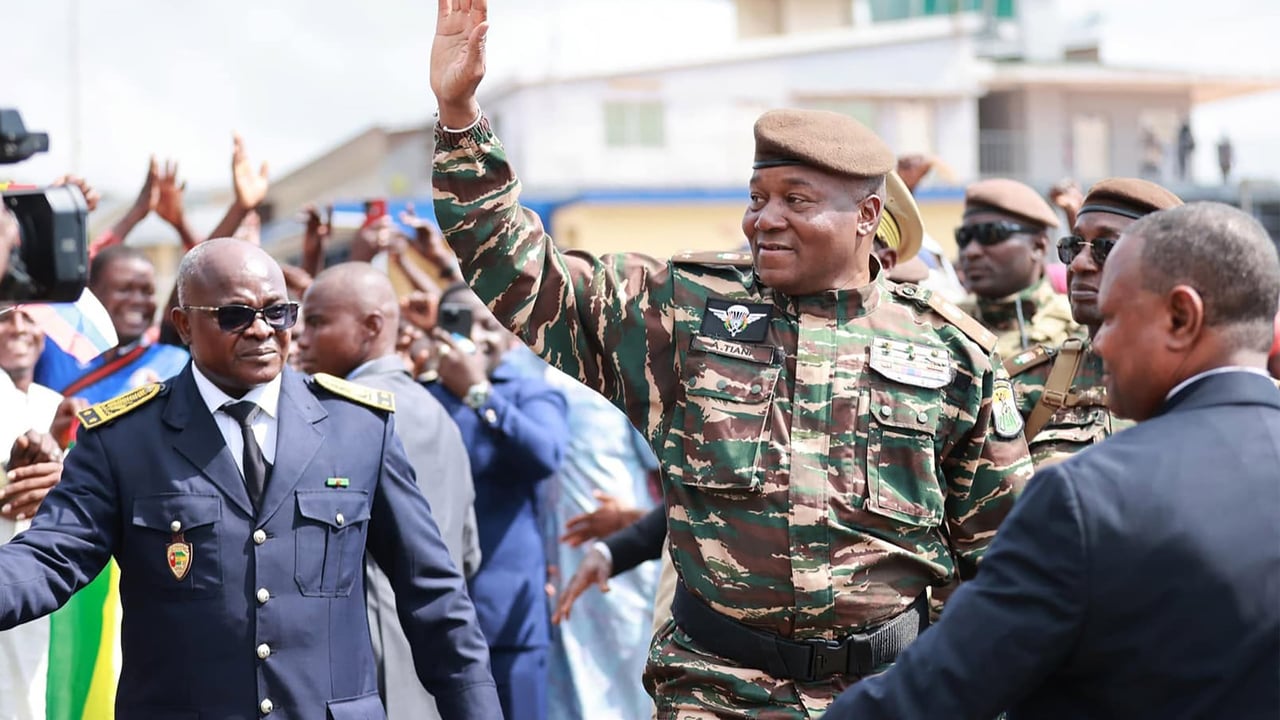
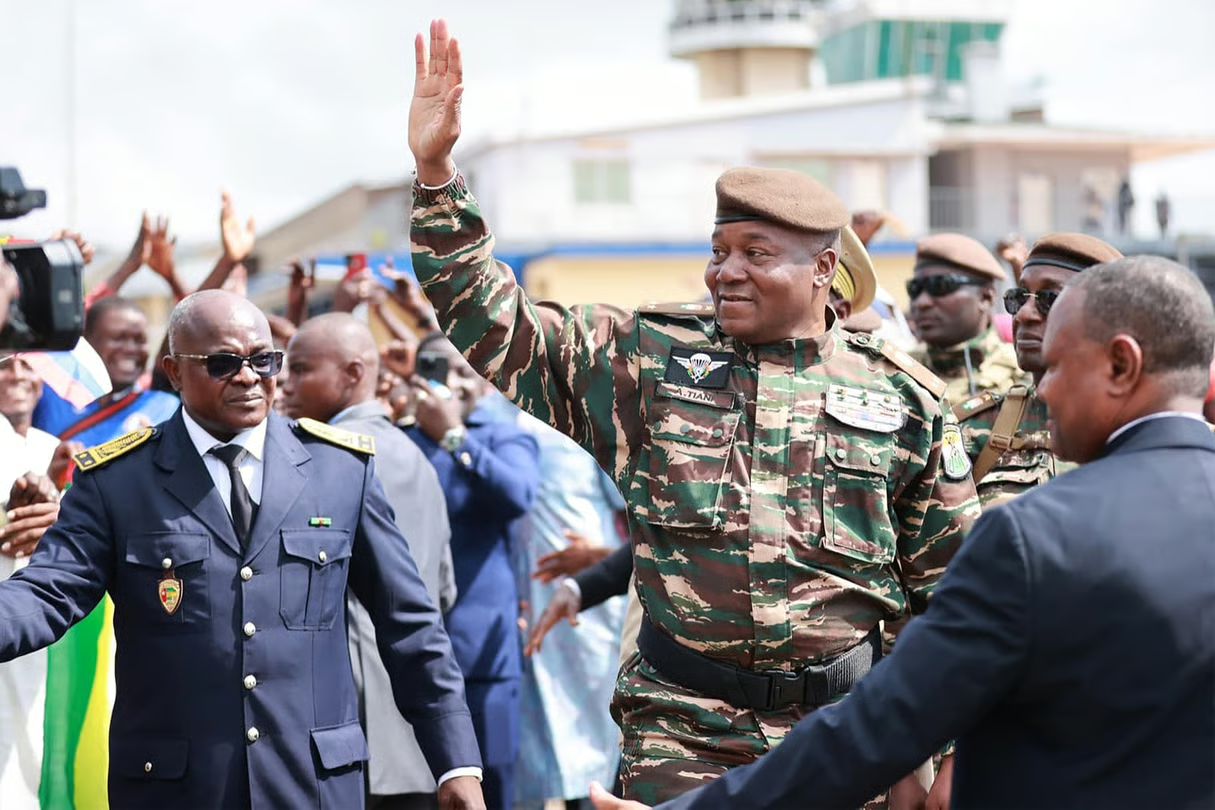
Niger’s transitional leadership under General Abdourahamane Tiani is entering a decisive phase, marked by a shift toward pragmatic governance. Since assuming office, the head of state has prioritized stability and national sovereignty while navigating complex regional dynamics.
Under his stewardship, Niger has strengthened its alliances with neighboring Sahel states, reinforcing the Alliance of Sahel States as a cornerstone of its foreign policy. This coalition, formed alongside Burkina Faso and Mali, reflects a shared commitment to collective security and economic resilience in the face of evolving geopolitical challenges.
Building bridges in a shifting geopolitical landscape
The new administration has adopted a balanced approach to international relations, engaging with both traditional partners and emerging global players. Tiani’s government has emphasized economic cooperation, particularly with partners in Russia and Turkey, while maintaining dialogue with Western nations on key development and security issues.
This pragmatic strategy has allowed Niger to diversify its partnerships without compromising its core interests. Analysts note that Tiani’s leadership style prioritizes tangible outcomes over ideological alignment, ensuring that national priorities—such as infrastructure development and food security—remain at the forefront of policy decisions.
Domestic reforms and national cohesion
Domestically, the transitional government has focused on consolidating stability through targeted reforms. Efforts to strengthen governance have included anti-corruption measures and initiatives to improve public service delivery. These steps aim to rebuild trust in state institutions amid ongoing security concerns.
Economic recovery remains a critical objective, with a focus on reviving key sectors like agriculture and mining. The government has also prioritized youth employment through vocational training programs, recognizing the demographic challenges facing the country.
Regional implications and future outlook
The trajectory of Niger’s transitional leadership carries significant implications for the broader Sahel region. By fostering closer ties with neighboring states, Tiani’s administration is positioning Niger as a stabilizing force in a volatile environment. The government’s emphasis on regional cooperation could pave the way for joint initiatives in security and economic integration.
Looking ahead, the success of these efforts will depend on the government’s ability to maintain public support while navigating external pressures. With a clear vision for national renewal, Niger’s leadership under Tiani is charting a course toward resilience and sustainable growth.