Morocco’s azrou college: a berber elite training ground
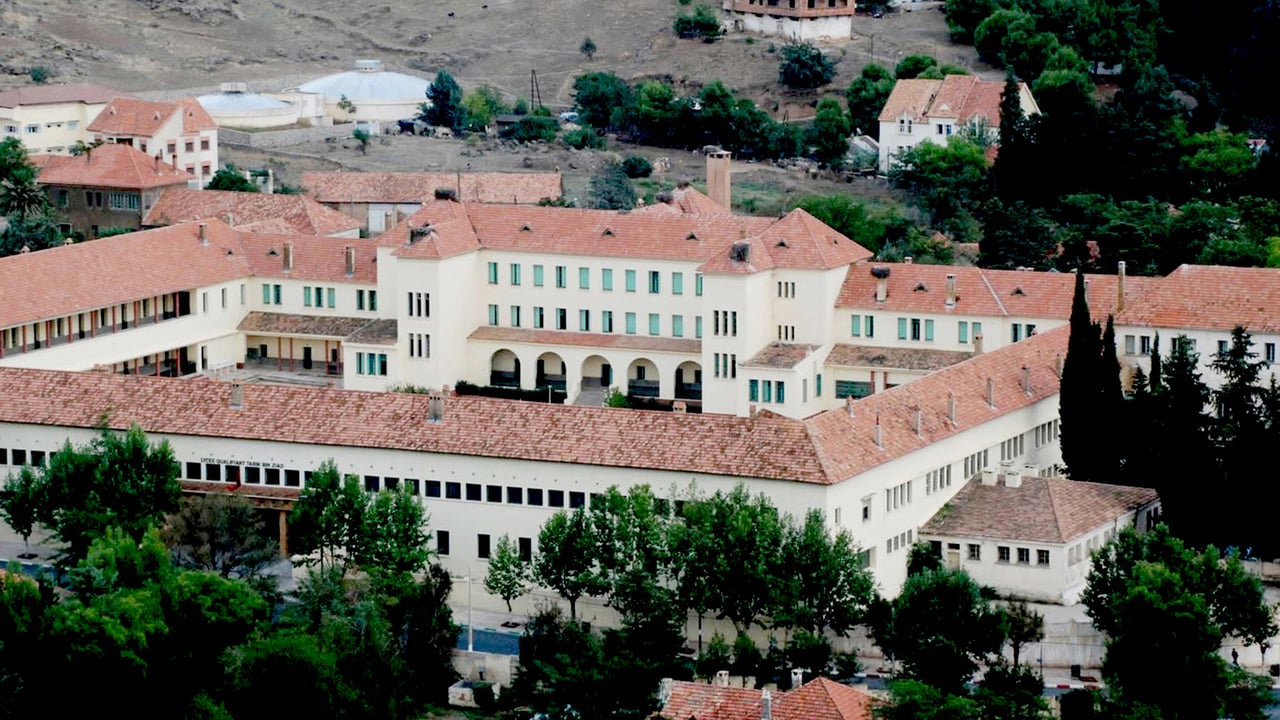
The Birth of a Controversial Institution
In the heart of Morocco’s Middle Atlas region, the town of Azrou became home to an educational experiment unlike any other. Conceived during the French Protectorate era, the Collège Berbère d’Azrou was designed to cultivate a compliant Berber elite fluent in French—a demographic intentionally distanced from the nationalist movements brewing in Fès and Rabat. The intention was clear: to create a cadre of administrators and military officers who would serve colonial interests rather than challenge them.
A College That Defied Its Purpose
The historical narrative took an unexpected turn. Instead of producing docile collaborators, Azrou College emerged as an incubator for Morocco’s future leaders, many of whom would later become key figures in the country’s independence struggle. The institution’s alumni roster reads like a who’s who of post-colonial Morocco: ministers, governors, magistrates, and an astonishing thirteen generals who served both Mohammed V and Hassan II. Some of these graduates even played pivotal roles in the 1971 and 1972 coups, events that would shape the nation’s political landscape.
From Colonial Tool to Cradle of Leadership
Mohamed Benhlal’s seminal work, Le collège d’Azrou : une élite berbère civile et militaire au Maroc, 1927-1959 (published by Éditions Karthala), along with firsthand accounts from former students, reveals the complex legacy of this institution. The college’s graduates didn’t merely inherit positions of power—they transformed Morocco’s political and military fabric. The Berber elite that emerged from Azrou’s classrooms challenged colonial narratives and redefined national identity, proving that educational institutions can become incubators for change rather than tools of control.
The Human Stories Behind the Institution
The college’s impact extended far beyond policy and military strategy. Personal testimonies from its alumni paint a vivid picture of life within its walls during the colonial period and the turbulent years that followed. Students who entered as obedient colonial subjects often left as passionate nationalists, their experiences in Azrou fostering a deep sense of Moroccan identity that transcended tribal and regional divides. These narratives highlight how education can serve as a catalyst for social and political transformation, even when designed with opposing intentions.
A Legacy of Leadership and Courage
The story of Azrou College is ultimately one of resilience and reinvention. What began as a colonial project to divide and control instead became a platform for unity and progress. The thirteen generals, countless ministers, and visionary leaders who walked its halls exemplify how education can empower individuals to reshape their nation’s destiny. Today, the college stands as a testament to the unpredictable power of educational institutions to challenge and ultimately overcome the constraints imposed upon them.