Morocco reaffirms claims over Ceuta and Melilla as Spain rejects negotiations
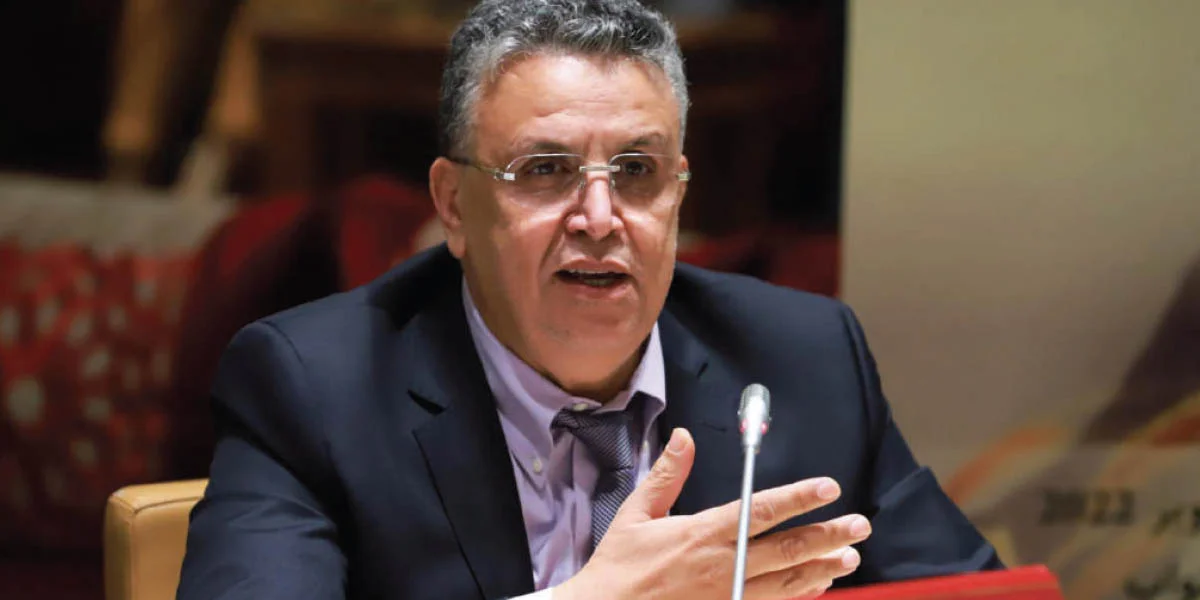
Morocco’s Minister of Justice, Abdellatif Ouahbi, has once again brought up the longstanding dispute over Ceuta and Melilla, asserting that Rabat seeks formal talks with Spain regarding the sovereignty of these two enclaves, which Morocco considers integral to its territory. In a recent statement, he clarified that these claims remain a priority, embedded within a broader strategy of dialogue and strategic patience. The issue continues to surface during high-level meetings between officials from both nations, he noted.
Addressing the recent surge in irregular migrant crossings into Ceuta on July 30-31, Ouahbi underscored the need for Spain to fulfill its obligations in handling and repatriating unaccompanied Moroccan minors. He also criticized Spain’s expectations for Morocco to curb irregular migration, arguing that those who reach Spanish soil gain access to legal procedures, making it unfair to place the entire burden on Morocco.
The minister emphasized the necessity for both countries to align on legal frameworks and operational mechanisms to combat illegal migration. “Morocco cannot act as Europe’s border guard,” he stated, stressing that shared responsibility is essential in addressing this regional challenge.
The following day, Spain’s Ministry of Foreign Affairs firmly rejected Morocco’s sovereignty claims over Ceuta and Melilla. Officials reiterated that these territories are “firmly part of Spain’s internationally recognized territorial integrity,” and that their status is not open for negotiation.
Spanish and Moroccan officials trade sharp remarks
During a visit to Ceuta, Spanish Foreign Minister José Manuel Albares avoided directly commenting on the sovereignty dispute. Instead, he focused on the immediate migration crisis, acknowledging Morocco’s cooperation in repatriating unaccompanied minors who arrived during the recent influx.
However, the head of Melilla’s government, Juan José Imbroda, took a more confrontational stance. A member of Spain’s conservative Partido Popular, Imbroda questioned the purpose of Ceuta and Melilla if Morocco cannot manage its own challenges, particularly the exodus of its youth. He described the current migration situation as an “international embarrassment” for Morocco and urged the country to address the crisis with dignity.
In response, Morocco’s Ministry of Interior reiterated the shared responsibility between the two nations in managing irregular migration flows. The ministry warned against online calls for further crossings on August 15, emphasizing that combating human trafficking and illegal migration requires coordinated efforts rather than unilateral action.