Maroc plays key role in liberation of french spy in Mali

Morocco steps in as key mediator in release of French intelligence officer in Mali

Rabat’s discreet but decisive diplomatic intervention has secured the release of Yann Vézilier, a French intelligence officer held in Mali for nearly a year. The agent, affiliated with France’s DGSE, was granted presidential clemency by Malian leader Assimi Goïta on August 13, following a 20-year prison sentence handed down in June 2026 for alleged state security violations.
Diplomatic channels pave the way for freedom
The resolution of this high-stakes case underscores Morocco’s growing influence in Sahelian affairs. While Malian authorities officially acknowledged a ‘brotherly nation’ for its mediation efforts, diplomatic circles identify Rabat as the critical facilitator behind the scenes. The Moroccan government reportedly brokered indirect negotiations between Paris and Bamako, bridging a gap that had widened amid strained Franco-Malian relations.
This successful mediation builds on Morocco’s established reputation as a trusted interlocutor in the region. Despite shifting political landscapes, Rabat has maintained robust communication channels with Sahelian capitals, allowing it to navigate delicate security and political landscapes with greater ease than many Western counterparts.
Regional precedent strengthens Morocco’s diplomatic profile
The Vézilier case echoes a similar incident in Burkina Faso in December 2024, when Moroccan mediation secured the release of four French DGSE operatives after failed diplomatic overtures from Paris. The pattern highlights Rabat’s unique ability to leverage its political and security ties across the Sahel, offering a pragmatic alternative to traditional Western diplomatic channels.
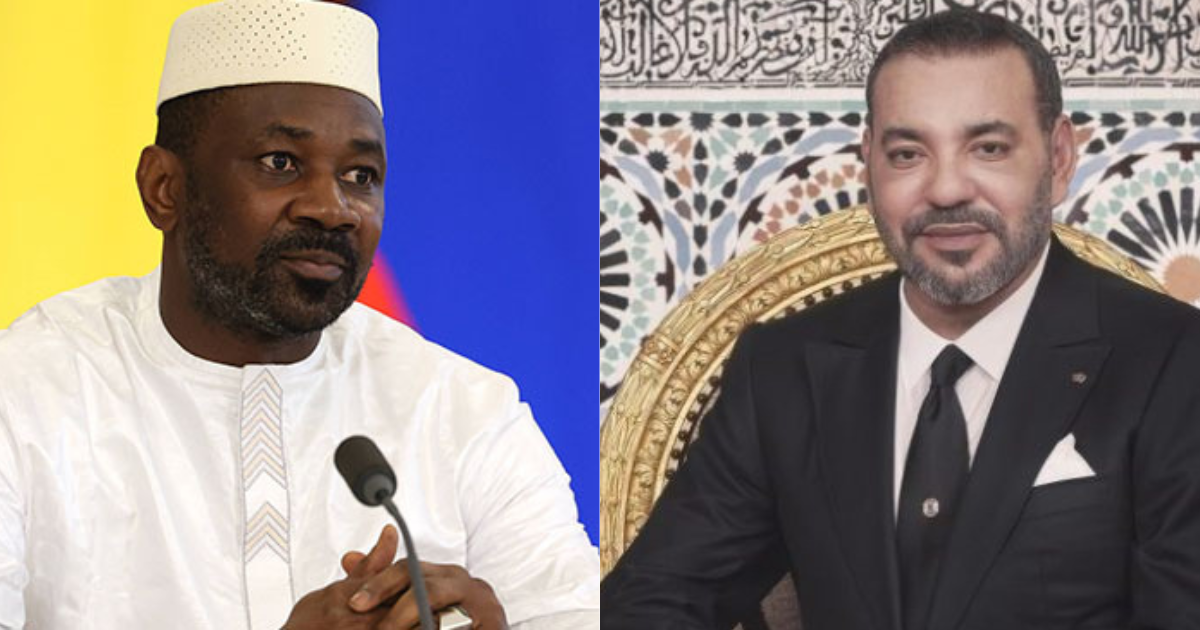
By facilitating the Vézilier release, Morocco reinforces its position as a pivotal diplomatic bridge between Europe and the Sahel. Its strategy—rooted in long-term partnerships, security cooperation, and economic engagement—has proven particularly effective in resolving high-stakes disputes where traditional channels falter.