Mali’s military surge: Goïta vows tougher jihadist crackdown on independence day
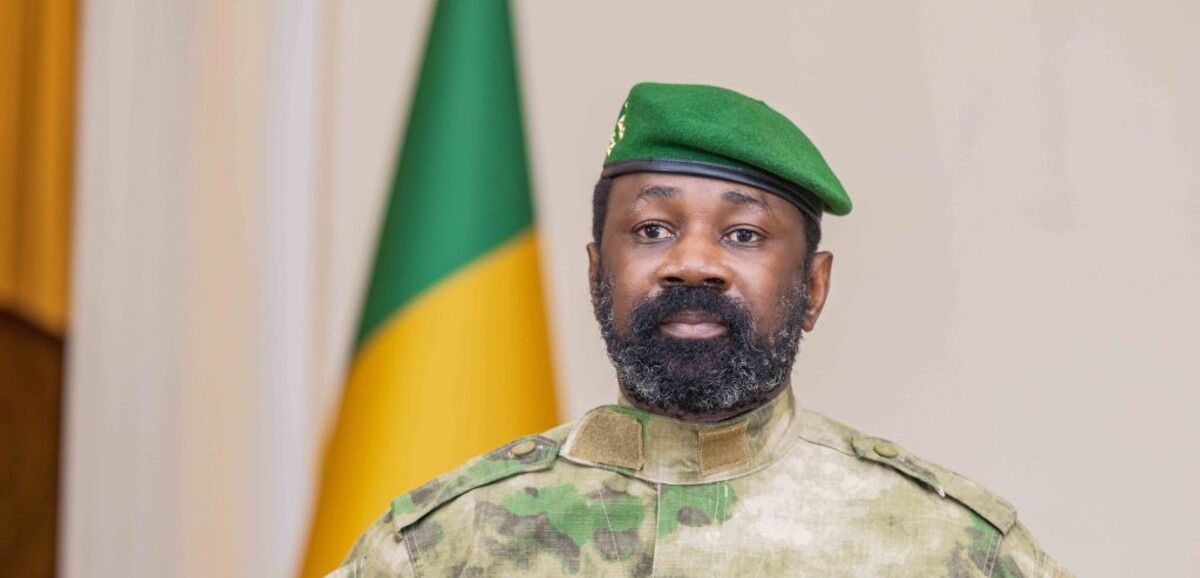
Bamako, Mali — On the eve of Mali’s 66th Independence Day, President Assimi Goïta delivered a dual-message address, vowing an intensified military response against jihadist groups while simultaneously extending an olive branch for national reconciliation.
Military escalation amid rising attacks
The president’s televised address came in response to a deadly resurgence of violence. In a single weekend last month, militant forces launched coordinated attacks on military positions in central Mali, culminating in a devastating assault on the Dioura barracks that claimed over 100 soldier lives.
The Group for the Support of Islam and Muslims (JNIM), an Al-Qaeda affiliate, has claimed responsibility for multiple recent operations. These attacks underscore the growing threat these groups pose to regional stability, particularly as they aim to expand their influence across central and northern Mali.
Honoring fallen troops
In his address, Goïta paid tribute to the soldiers killed in action, emphasizing their sacrifice in defense of the nation. He reaffirmed his administration’s commitment to protecting Mali’s territorial integrity while remaining open to dialogue with rebel factions. “Our unwavering determination to defend our territory and national unity remains steadfast, even as we remain open to reconciliation with our fellow Malians,” he declared.
International partnerships and security reforms
Goïta highlighted plans to bolster Mali’s military capacity, citing continued cooperation with international partners. Since the withdrawal of French and other Western military forces, Russia has emerged as Mali’s primary security partner. The president emphasized the importance of this alliance in strengthening the army’s operational capabilities to counter jihadist advances.
The timing of Goïta’s address — during the country’s independence celebrations — underscores the urgent need for both military resilience and national cohesion in the face of ongoing insurgency.
What’s next for Mali?
With jihadist groups continuing to target security forces and civilian populations, Goïta’s dual strategy of military pressure and reconciliation presents a complex challenge. While the promise of enhanced army capabilities may deter further attacks, the success of national unity efforts remains uncertain in a climate of deepening insecurity.
The president’s address leaves two critical questions unanswered: Can the Malian military regain momentum against well-armed insurgents? And will calls for dialogue translate into tangible peace agreements with militant factions?