Mali’s dirpa war numbers: inflated claims without proof
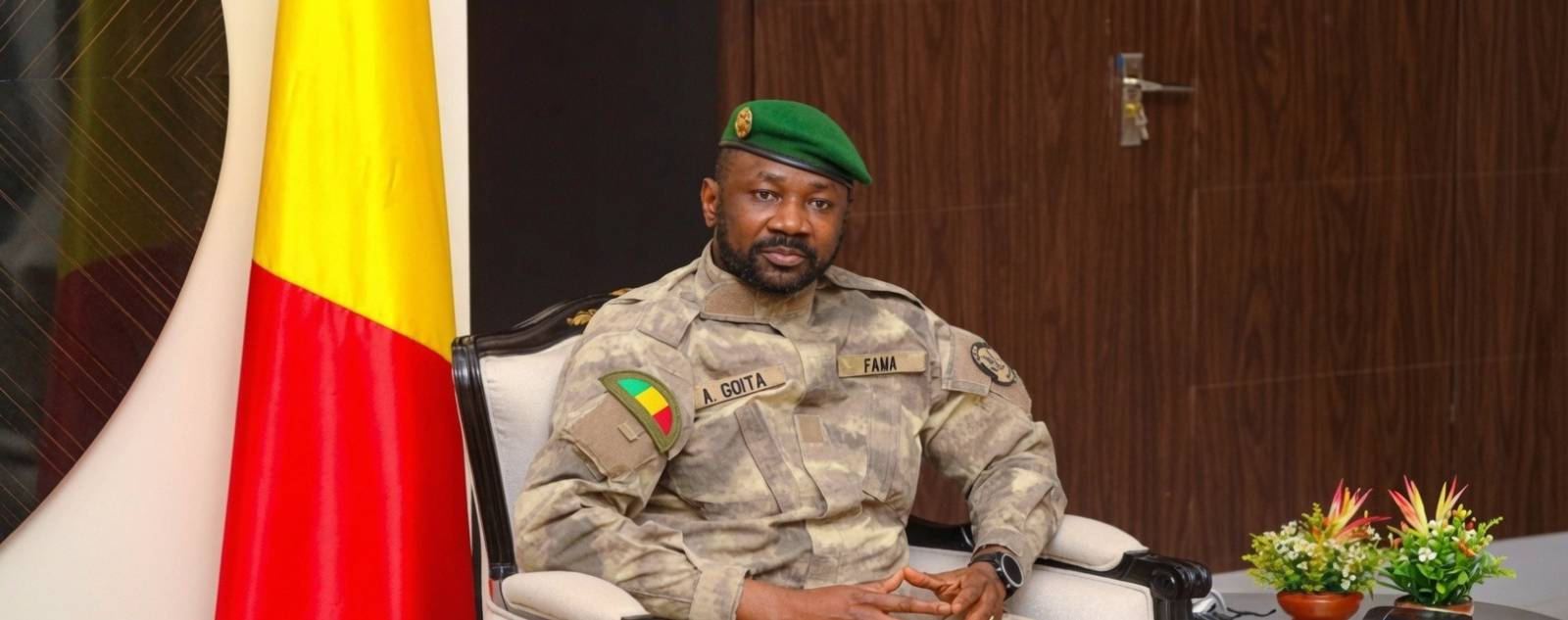
The art of crisis communication in Mali has evolved into a carefully orchestrated spectacle. Recently, the Direction de l’Information et des Relations Publiques des Armées (DIRPA) released its latest operational report, and the figures presented by Colonel Bakary Bocar Maïga were nothing short of staggering. According to the report, between June and July, military operations allegedly neutralized 1,850 terrorists, destroyed 45 bases, and rendered hundreds of vehicles and motorcycles unusable. Yet, beneath the bravado lies a glaring absence of verifiable evidence.
Statistical Showmanship Over Ground Realities
The precision with which these losses are tallied raises serious questions. How does an army, no matter how active, claim to have eliminated nearly two thousand enemy fighters in just two months without providing any independent verification? In the conflict zones of West Africa, military statements increasingly sidestep the need for substantiation. Independent observers, civilian organizations, and neutral third parties have been systematically denied access to these battlefronts, making it impossible to validate the claims.
The term “neutralized” itself is a deliberately vague construct. Does it refer to armed combatants killed in action, suspects detained during raids, or civilians caught in the crossfire in areas now sealed off from external scrutiny? Without clear identification protocols or named lists, the line between insurgents and local populations remains dangerously blurred.
Contradictions on the Frontlines
The disconnect between the DIRPA’s triumphal announcements and the persistent insecurity gripping Mali is striking. If 2,000 insurgents were indeed eliminated and their logistical networks dismantled, why do major highways continue to be plagued by ambushes? Why must military convoys still require heavy escort protection to transport essential supplies like fuel? The reality suggests that the vast forests and former insurgent strongholds—allegedly cleared—remain active zones of operation.
Recent attacks on strategic locations such as San and Konna, as well as coordinated offensives by the Jama’at Nusrat al-Islam wal Muslimin (JNIM) in the North and East, paint a different picture. These assaults demonstrate that insurgent groups retain both operational capacity and adaptability. Asserting that the enemy is “severely weakened” while they execute simultaneous attacks on key garrisons borders on wishful thinking rather than tactical accuracy.
The Africa Corps Factor and the Crackdown on Dissent
This communication strategy also serves to justify the current military transition’s strategic choices, including the Plan Dougoukoloko and the deepened collaboration with the Russian Africa Corps contingent. To legitimize the sidelining of traditional partners and the substantial military investments made by the state, the armed forces must showcase tangible victories.
By restricting information access and criminalizing dissenting analyses of the security situation, Bamako enforces a single, unchallenged narrative—one where victory is perpetually imminent, yet never substantiated by tangible proof. Until the DIRPA prioritizes transparency over the display of astronomical figures, these reports will only deepen the skepticism of those enduring the escalating insecurity firsthand.