Life in Chad: sociologist calls for regular market price tracking to ease economic strain

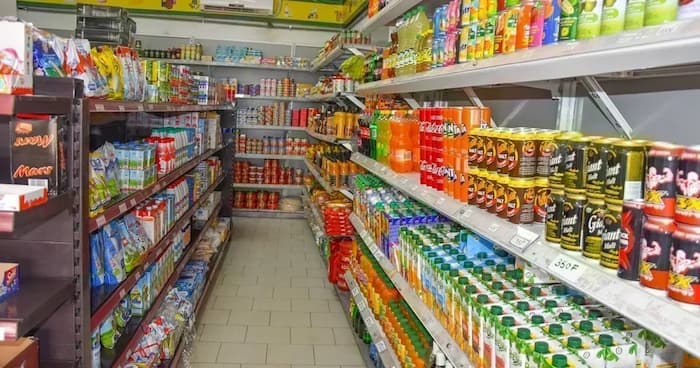
Surviving on just 2,000 francs CFA a day—that’s the harsh reality for countless households across Chad. For families of five or six, this breaks down to roughly 375 francs per person. But what does this bare-bones budget truly mean for daily meals in a Chadian household?
According to the sociologist Remadji Ngaba, families first cut out protein-rich foods, then vegetables, leaving meals stripped of essential nutrients. Survival becomes the only priority, pushing balanced diets out of reach. Children, in particular, face stunted growth and malnutrition risks as families struggle to put food on the table.
«Today, Chad is grappling with severe economic hardship. The average household’s food basket is nearly empty,» the sociologist observes. He adds, «Chadians have developed a remarkable resilience to endure these challenges. Without this mental strength, the situation would be unbearable.»
The burden of rising costs, he emphasizes, falls heaviest on women. «She is the backbone of the household. When economic pressures mount, she is the first to feel the strain—and when she struggles, the entire family suffers,» he explains.
Fathers often dismiss their wives’ complaints about soaring prices as exaggerations, but the market has become a daily source of distress. Authorities, he argues, lack sustained price monitoring, with temporary interventions failing to create lasting change. «After every intervention, prices creep back up, leaving no real improvement,» he laments.
Chad’s untapped agricultural potential
Despite boasting 33 million hectares of arable land across 1.28 million square kilometers, Chad faces chronic food shortages. The brunt of the crisis hits urban centers, where essentials are priced beyond reach, but rural communities aren’t spared either. Farmers and livestock herders face relentless threats—crop destruction by wandering cattle and a justice system that offers little protection. Many abandon rural life under this pressure, yet «Chad cannot sustain everyone in N’Djamena. The capital isn’t safe for mass migration,» the sociologist warns.
Escalating conflicts between farmers and herders stifle local food production, a key factor in keeping urban prices high. «Both groups need protection,» he stresses. «Only then can small-scale agriculture thrive and stabilize market costs.»
The minimum wage gap
Another critical issue is the stagnant minimum wage—60,000 francs CFA since 2011—while living costs have doubled. In N’Djamena, even a modest apartment rents for 20,000 to 25,000 francs, with utilities and fees consuming most of a worker’s salary.
Proposed solutions for economic relief
To address these challenges, Remadji Ngaba advocates for targeted agricultural subsidies, better water resource management, and a robust system for tracking market prices. «Leaders must act,» he insists. «They witness firsthand how other nations improve living conditions for their people. Chad deserves the same commitment.»