Libreville’s urban renewal triggers backlash as streetlights fail amid demolition chaos
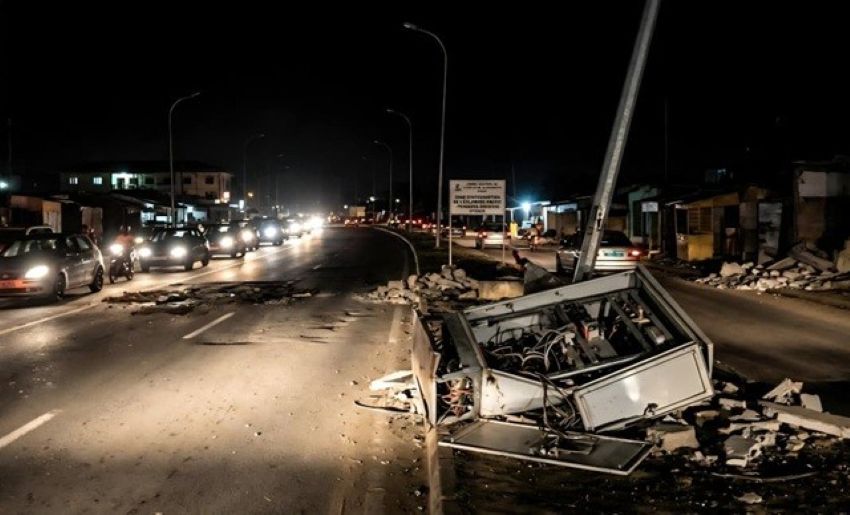
Libreville, November 12, 2026 — The demolition of buildings in Libreville’s ongoing urban renewal initiative has accidentally cut power to entire neighborhoods, plunging them into darkness after a critical electrical cabinet was destroyed. The fallout has ignited public debate about whether city leaders prioritize aesthetics over essential services when reshaping the capital.
Key infrastructures destroyed in the name of progress
The Gabonese National Council of Water and Electricity (CNEE) confirmed that the destruction of a main electrical cabinet—responsible for lighting the Democracy Roundabout to the Charbonnages Roundabout corridor—was directly caused by demolition operations in the area. The incident has left residents and commuters navigating unlit streets, raising urgent questions about oversight during urban redevelopment.
An avoidable crisis with far-reaching consequences
In a public statement, the CNEE warned residents to expect extended delays as crews work to rebuild the network. Until repairs are complete, drivers, cyclists, and pedestrians are advised to exercise extreme caution, especially on major roads where visibility drops dramatically after sundown. The absence of streetlights not only increases accident risks but also erodes nighttime security in neighborhoods already struggling with crime.
Government officials insist that emergency repairs are underway, with engineers conducting urgent assessments to determine the full scope of the damage. However, the incident has exposed deeper flaws in how Libya’s capital manages urban infrastructure upgrades. Experts now question whether similar oversights could recur as demolition projects continue across the city.
What went wrong — and who is accountable?
Investigations point to a breakdown in inter-agency coordination. Urban planning departments, demolition crews, and utility providers failed to synchronize their actions, resulting in a preventable infrastructure failure. Critics argue that demolitions should never proceed without thorough prior inspections of underground and surface utilities. Had such precautions been taken, the electrical cabinet could have been relocated or protected before heavy machinery moved in.
- Lack of pre-demolition utility mapping — essential services were not identified or flagged before work began.
- No collaboration between municipal and utility teams — demolitions proceeded without input from electrical engineers.
- Delayed public warnings — residents were not informed until the damage was done.
Calls for accountability and systemic reform
Public outrage is growing, with opposition leaders and residents’ associations demanding investigations into the incident. Social media is flooded with videos showing unlit streets and safety hazards. Critics question whether the demolitions—meant to “modernize” Libreville—are being carried out at the expense of basic safety and service continuity.
Some residents have organized vigils to highlight the risks, while transport unions have threatened walkouts unless authorities guarantee safe commutes. The crisis has forced a reckoning: urban renewal must not come at the cost of public welfare.
What comes next for Libreville?
The CNEE has pledged a full review of demolition protocols, promising stricter oversight and mandatory utility checks before future operations. The government has also announced plans to fast-track independent audits of all infrastructure projects in high-risk areas. Yet, for residents living in the shadow of construction zones, the damage is already done.
The episode serves as a cautionary tale for growing African cities balancing ambitious urban projects with the preservation of essential services. Libreville’s transformation can—and should—happen without leaving neighborhoods in the dark.