Ivory Coast mourns economist Abdoulaye Koné at 91: a legacy etched in national finance
Ivory Coast mourns economist Abdoulaye Koné at 91: a legacy etched in national finance
Ivory Coast’s economic history darkened on Saturday, September 19, 2026, with the passing of Abdoulaye Koné, a 91-year-old titan of finance who shaped the nation’s fiscal policies for decades. The former Minister of Economy and Finance left behind a career spanning generations, deeply embedded in the administrative and monetary foundations of both Ivory Coast and West Africa.
The president, Alassane Ouattara, released an official statement honoring Koné as a pillar of public service and financial stability, whose influence extended far beyond national borders into the corridors of the West African Economic and Monetary Union (UEMOA).
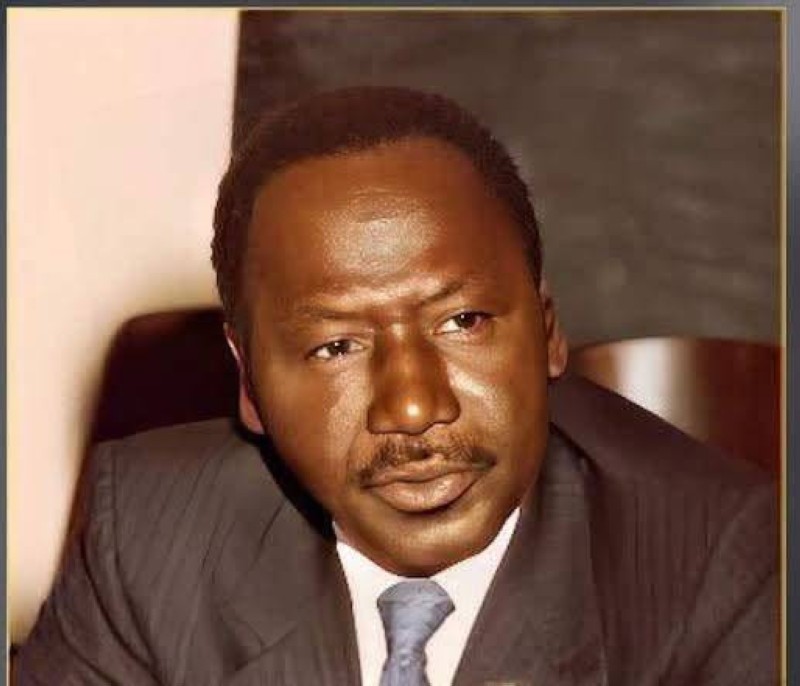
Abdoulaye Koné, former Ivory Coast Minister of Economy and Finance under President Félix Houphouët-Boigny
From budget director to finance minister: shaping Ivory Coast’s economic backbone
Koné’s journey in public service began long before his ministerial appointment. Rising through the ranks of Ivory Coast’s financial administration, he first served as Director of the Budget, a role where he refined the mechanics of fiscal policy and public expenditure. His expertise caught the attention of President Félix Houphouët-Boigny, who appointed him State Secretary for the Budget before elevating him to Minister of Economy and Finance.
These roles placed Koné at the heart of national economic decision-making during Ivory Coast’s most formative decades. He was instrumental in designing policies that stabilized public finances and fostered growth during the post-independence era, a period marked by rapid modernization and regional integration.
Regional architect: strengthening West Africa’s economic unity
Koné’s contributions were not confined to Ivory Coast. As a key figure in the UEMOA, he played a pivotal role in advancing monetary cooperation and economic integration across West Africa. His collaboration with leaders like Alassane Ouattara—then a central bank executive—helped lay the groundwork for the region’s unified financial infrastructure.
The president’s tribute highlighted this regional legacy, emphasizing how Koné’s work strengthened ties between Ivory Coast and its neighbors, embedding the nation’s economic influence within the broader West African framework.
An enduring memory and a call to preserve institutional knowledge
With Koné’s passing, a chapter of Ivory Coast’s administrative and economic memory closes. His career spanned the evolution of the state itself: from early post-independence reforms to the complexities of regional integration. President Ouattara acknowledged this loss by extending condolences to Koné’s family and wider circle, underscoring the void left in both governance and institutional memory.
The president’s statement also hinted at the broader implications of Koné’s departure. As Ivory Coast moves forward, the challenge will be to preserve the institutional wisdom he embodied. Decades of experience in national and regional finance now rest in the hands of a new generation, one that must carry forward the lessons of stability and cooperation that defined Koné’s work.
Reflecting on a life of public service
Born in Tingréla, northern Ivory Coast, Koné dedicated his life to public service. His journey—from civil servant to minister and regional influencer—reflects a commitment to nation-building and economic resilience. While his passing marks the end of an era, his legacy endures in the policies he shaped and the institutions he helped strengthen.
President Ouattara’s tribute captured this duality: Koné was both a mentor and a nation-builder, whose life’s work ensured that Ivory Coast’s economic voice resonates across West Africa.