Inside the Makotipoko de-escalation: what really pushed Tshisekedi and Sassou Nguesso to act
When Félix Tshisekedi traveled to Brazzaville on 3 October 2026, the surface story was a routine bilateral meeting. The deeper dynamic was damage control: a border firefight at Makotipoko had exposed how fragile the Congo River neighborhood had become, and both presidents knew the cost of letting it fester.
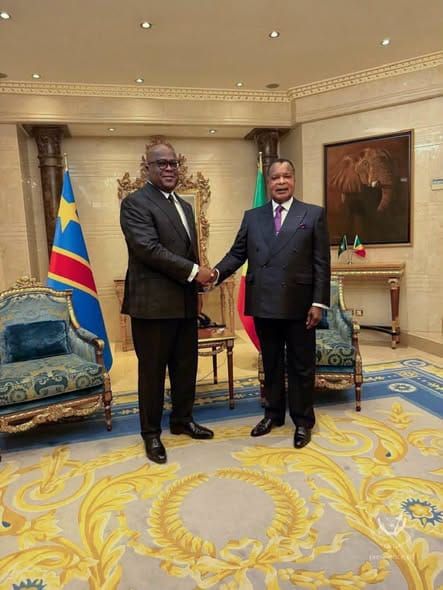
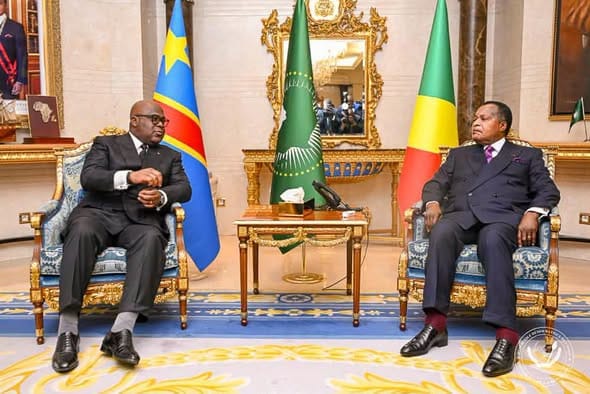
On the afternoon of Saturday 3 October 2026 in Brazzaville, President Félix-Antoine Tshisekedi Tshilombo sat down with his Congolese counterpart Denis Sassou Nguesso. On paper, it was another round of bilateral talks. In reality, the meeting was a pressure valve. The border clash at Makotipoko — a Congolese locality near Yumbi, in the Mai-Ndombe province of western DR Congo — had pitted soldiers from both countries against each other, and the fallout threatened to spiral.
Why the Makotipoko incident carried more weight than it appeared
The incident itself was localized, but its political charge was not. Makotipoko sits in a stretch of the Congo River where communities on both banks move, trade and live almost as one. When armed elements from the two national armies exchanged fire, the shockwave reached far beyond the village. Kinshasa and Brazzaville both understood that a single incident, left unmanaged, could harden into a wider border dispute — or worse, feed mistrust across the entire river corridor.
The message from Kinshasa: we are one people
Addressing the encounter, Tshisekedi chose reassurance over confrontation. He insisted on the deep cultural and human ties linking Kinshasa and Brazzaville, and he made a point of bringing his interior and defense ministers along so that the two governments could work out concrete ways to prevent future flare-ups. In his words, the two peoples share the same culture and are destined to live side by side.
Compensation: the move that shifts the narrative
Beyond the diplomatic language, Tshisekedi signaled something more tangible. He said he intends to meet the victims of the Makotipoko incident in the near future and to launch a formal compensation process. For the communities caught in the crossfire, that pledge matters more than any communiqué. It is also a political signal: Kinshasa is treating the incident as a matter of responsibility, not just of statecraft.
A broader test: eastern DR Congo and the Washington agreements
The two leaders also turned to the security and humanitarian crisis in eastern DR Congo. They called for strict adherence to the Washington accords — a reminder that the relationship between Kinshasa and Brazzaville is not only about the river. It is also about how the two capitals coordinate on the region’s most volatile file.
What lies beneath the handshake
De-escalation, in this case, was not a spontaneous gesture. It was a calculated response to a real risk: that a border skirmish could poison a partnership both countries need. The coming weeks will show whether the compensation promise and the ministerial coordination produce results on the ground — or whether Makotipoko becomes a footnote before the next incident tests the river again.