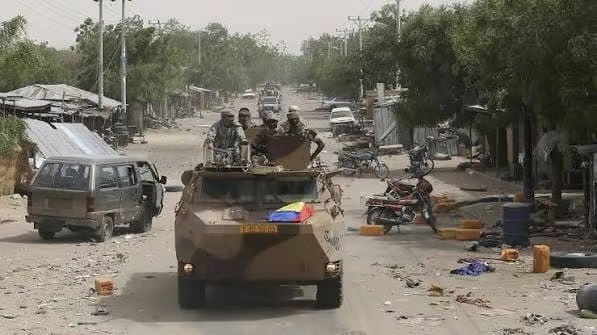
 Photo illustration © DR
Recent mid-July terrorist assaults on villages in Niger’s southwest have forced hundreds of residents to flee their homes, marking a disturbing escalation in the region’s security crisis. These unprecedented displacements occurred in the Dosso area, a border zone adjacent to Nigeria and Benin, which has emerged as a new hotspot for militant activities since 2025.
Security analysts note that the attacks bear the hallmarks of groups affiliated with Al-Qaeda and the Islamic State, according to conflict documentation records. Survivors, as shown in state television footage, have sought refuge in neighboring Tahoua region near the Nigerian border, while others have relocated to Dogondoutchi, approximately 100 kilometers from Loga.
A growing humanitarian crisis
United Nations figures indicate that Niger was home to over 450,000 internally displaced persons by 2025, with the majority concentrated in three regions plagued by a decade of terrorist violence. Tillabéri in western Niger, bordering Burkina Faso and Mali, hosts nearly half of these displaced populations (48%), followed by Diffa in the southeast and Tahoua in the central-east.
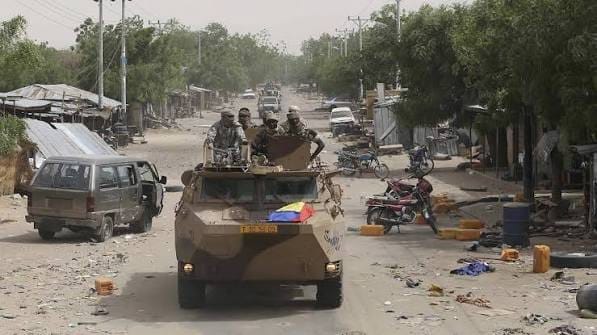
The violence escalated dramatically on July 17 when a military detachment in western Niger came under attack, resulting in 16 fatalities and 23 injuries among security forces, while neutralizing 15 militants. This incident underscores the persistent threat posed by Islamic State in the Sahel and the Group for the Support of Islam and Muslims (JNIM), Al-Qaeda’s regional affiliate, both of which have targeted Niger for over a decade.
Escalating violence along porous borders
The southwestern border regions have become increasingly vulnerable due to their proximity to conflict zones in neighboring countries. The Dosso area’s emergence as a new frontline in Niger’s counter-terrorism struggle highlights the regional spillover effects of insurgent activities that have destabilized the wider Sahel region.
As displacement numbers swell, local authorities face mounting challenges in providing adequate shelter, food, and security to affected populations. The crisis has drawn international attention to the deteriorating security situation in Niger’s southwest, where civilian communities bear the brunt of ongoing militant operations.