How Russia uses air transport to move troops and weapons in the Sahel

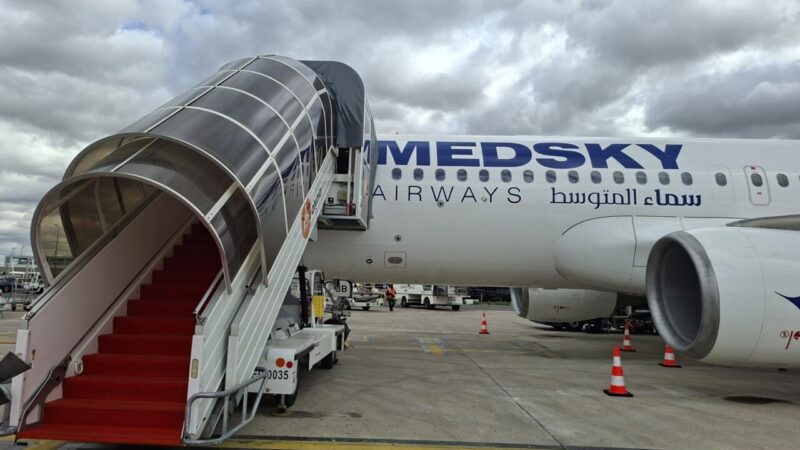
Russia has intensified its logistical operations in the Sahel, leveraging civilian air transport to move military personnel and equipment under the guise of commercial flights. This strategy, executed through entities linked to Moscow, has raised concerns among regional observers about the Kremlin’s expanding footprint in West Africa.
Inside Russia’s air bridge to the Sahel
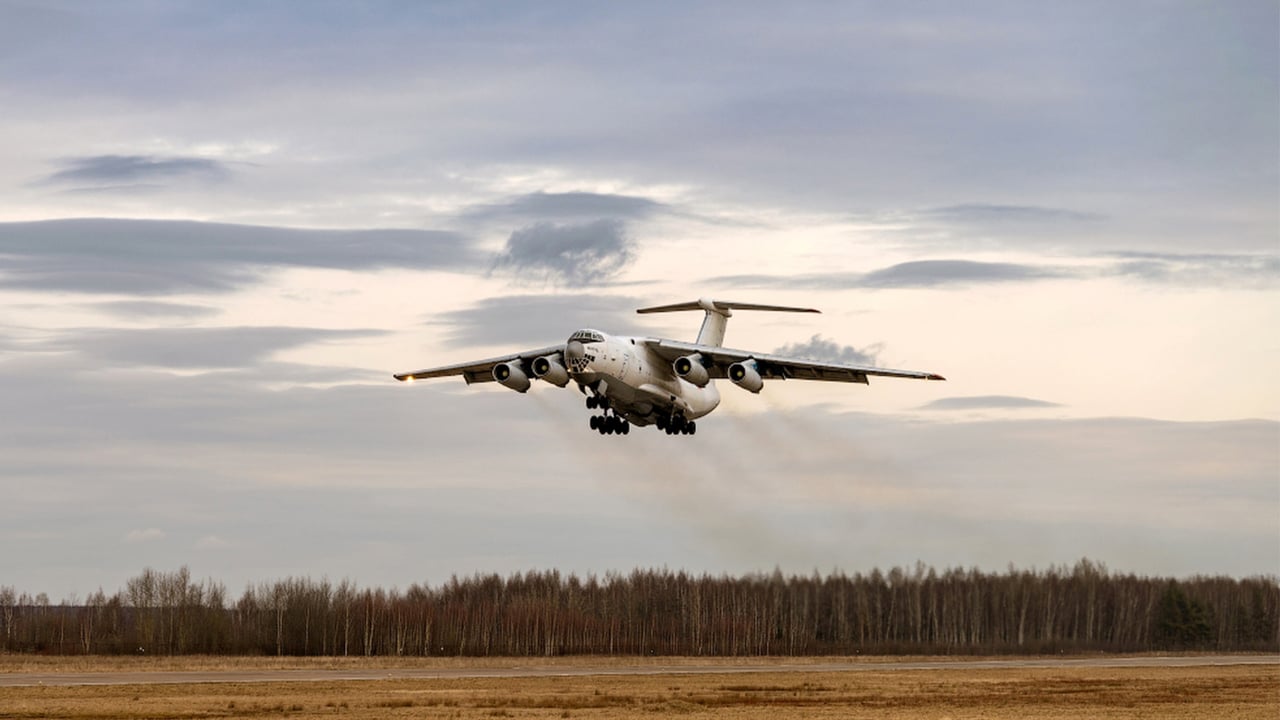
The Africa Corps, a Russian-funded military group, relies on a network of air carriers to maintain supply lines across the continent. Among these, Zitotrans stands out as a key player, operating IL-76 transport aircraft capable of hauling heavy cargo over long distances. These flights, often disguised as routine commercial services, have become a critical component of Russia’s strategy to extend its influence in the region.
Sources indicate that these operations have seen a surge in activity since the formation of the Alliance of Sahel States, a coalition of Burkina Faso, Mali, and Niger seeking to reshape regional security alliances. The timing aligns with Moscow’s efforts to deepen ties with governments resisting Western partnerships.
Strategic implications for West Africa
The use of civilian air transport for military purposes underscores a deliberate approach to circumvent international scrutiny. By blending commercial and defense logistics, Russia minimizes the visibility of its troop movements while maximizing operational flexibility. This tactic has allowed Moscow to rapidly deploy advisors, mercenaries, and weaponry to conflict zones, often in defiance of regional or global sanctions.
Analysts warn that such activities could destabilize fragile security environments. The presence of Russian-linked forces in the Sahel has already sparked debates over sovereignty, governance, and the long-term impact on local military structures. Meanwhile, governments in Niamey, Bamako, and Ouagadougou have defended these partnerships as essential to their fight against armed groups.
Challenges to regional security
The growing reliance on external actors like Russia poses risks to the cohesion of West African security frameworks. Traditional partners, including former colonial powers, have expressed concerns about the lack of transparency in these arrangements. Critics argue that such dependencies could undermine efforts to build self-sufficient defense capabilities within the Alliance of Sahel States.
As the region navigates a shifting geopolitical landscape, the role of air transport in Moscow’s Sahel strategy remains a focal point for both allies and adversaries. The coming months will reveal whether these logistical networks solidify Russia’s presence or trigger broader regional pushback.