How Boko Haram weaponizes AI for terror operations
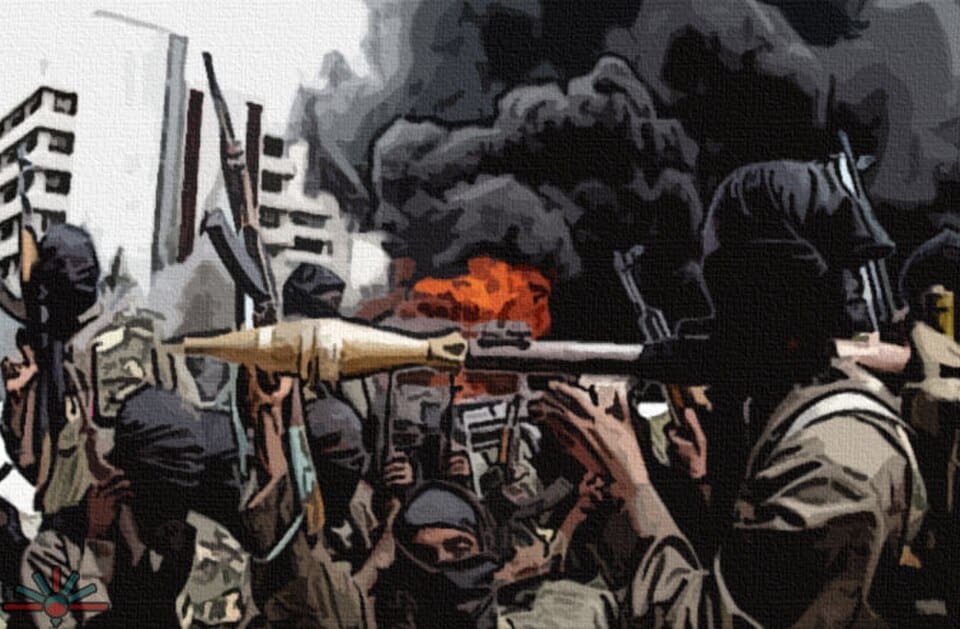
Detailed accounts from former Boko Haram operatives reveal that the jihadist group has integrated artificial intelligence tools, including chatbots and generative models, into its operational planning. These technologies assist in attack preparation, technical problem-solving, and enhancing combat readiness, reshaping counterterrorism strategies across West Africa.
AI integration transforms Boko Haram’s operational capabilities
Security analysts long speculated that militant factions might eventually harness artificial intelligence for tactical purposes. That theory has now been validated through field evidence.
A groundbreaking study by Antonia Juelich, a researcher at the Cambridge Programme on AI Science and Policy (CASP), draws on interviews with dozens of former Boko Haram members. The findings confirm that certain factions have deployed generative AI tools since 2023, mere months after the public release of ChatGPT.
Contrary to expectations, the group does not limit AI’s use to propaganda or text generation. Instead, these tools play a critical role at multiple stages of operational planning. Fighters rely on conversational AI models to troubleshoot technical challenges, clarify operational doubts, and refine tactics before executing attacks.
One former operative explained that fighters increasingly view AI as an all-knowing resource, capable of answering any query—even when responses may be incomplete or inaccurate. This perception amplifies their confidence in AI-assisted decision-making, despite inherent technological limitations.
Experts emphasize that AI does not replace human expertise but serves as a digital advisor, accelerating information retrieval and supporting decision-making. Testimonies indicate that AI tools are consulted before, during, and after operations to analyze mistakes and optimize future attacks.
This shift represents a paradigm shift in terrorism studies, which previously focused on online radicalization and propaganda. The new findings demonstrate how generative AI has become embedded in the daily functioning of an active militant organization.
AI-powered terrorism: a growing threat beyond Nigeria
The implications of this research extend far beyond Nigeria’s borders, raising alarms among counterterrorism specialists across the Sahel region.
Boko Haram, founded in 2002 and responsible for thousands of deaths across Nigeria, Cameroon, Niger, and Chad, is unlikely to be alone in this trend. Researchers warn that other armed groups may adopt similar AI-driven tactics as generative models become more advanced and accessible.
While current AI capabilities have notable flaws—such as generating inaccurate or fabricated information—they significantly reduce the time required to gather intelligence or solve technical problems. Unlike specialized software or expensive equipment, these tools are accessible via any internet-connected device, democratizing operational support once reserved for experts.
For tech companies, this raises critical questions about AI security protocols. Existing safeguards already block direct requests for weapons or explosives, but malicious users frequently bypass these defenses using oblique phrasing or iterative queries.
Intelligence agencies must now incorporate AI analysis into their assessments of militant capabilities. Monitoring communication networks and financial flows is no longer sufficient; understanding how terrorist groups exploit cutting-edge civilian technology has become essential.
Democracies must adapt to the AI-powered terror threat
The case of Boko Haram reflects a broader trend in international security: digital innovations are diffusing faster than ever, and militant groups are rapidly adopting them for practical advantage rather than ideological reasons.
While AI does not fundamentally alter military capabilities, it enables faster access to knowledge, streamlines internal processes, and enhances operational efficiency. To counter this evolving threat, governments must strengthen collaboration between intelligence agencies, academic researchers, and AI developers.
The goal is to better understand how terrorist organizations misuse AI, anticipate potential abuses, and develop more robust protective mechanisms. This study on Boko Haram represents one of the first documented cases of generative AI integration within an active militant group, confirming that AI is not just reshaping economies and daily life—it is becoming a defining security challenge of our time.