Gabon’s development push: Franceville’s infrastructure transformation in focus
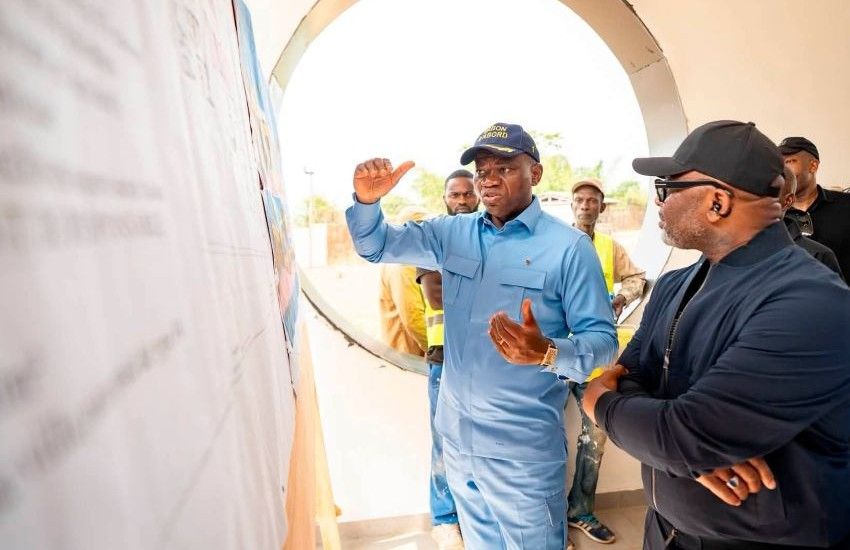
Libreville, August 23, 2026 — Even during private visits, President Brice Clotaire Oligui Nguema prioritizes action over detachment. On August 22, the Gabonese leader dedicated part of his stay in Haut-Ogooué to inspecting multiple ongoing projects in Franceville. From the Masuku University of Science and Technology to local markets, from the future Wendjé district gendarmerie post to the Excellence High School, and including the Leconi Palace hotel complex, this visit underscored a governance approach centered on direct oversight of project execution.
This inspection follows a broader trend where the executive branch is shifting focus from merely announcing investments to ensuring their timely, high-quality completion. After overseeing major infrastructure projects in Libreville, the president’s visit to Franceville signals an expansion of this hands-on approach to provincial capitals. The goal is no longer just to launch initiatives but to verify their progress, standards, and relevance to local communities.
Education takes center stage in development strategy
The president’s stops at the USTM and the Excellence High School highlight the critical role of educational infrastructure. In a nation striving to bolster its human capital, these facilities are far more than buildings—they shape training quality, regional attractiveness, and the country’s long-term capacity to cultivate its own talent.
This priority aligns with a national agenda. Days earlier, the head of state announced a 9 billion CFA francs allocation for the three main public universities, including USTM, to accelerate modernization and finalize ongoing works.
In Franceville, the Excellence High School’s inspection carried particular weight. Reports following the visit indicate technical gaps remain, particularly in scientific equipment, sports facilities, and teacher housing. As a result, the school’s opening may be postponed to September 2027 to address deficiencies and ensure full operational readiness.
While delays may seem burdensome, they raise a fundamental question about public policy: what’s the point of inaugurating a facility that isn’t fully functional, fit for purpose, or sustainable? True public project success is measured long after the last brick is laid.
Markets, security, and urban vitality
The presidential tour extended beyond education. Visits to the Mingara market and the second arrondissement market addressed daily economic activity, vendor working conditions, and urban organization in Franceville.
The future Wendjé district gendarmerie post reflects another pillar of modernization: proximity security. Similarly, the inspection of the Leconi Palace hotel complex emphasizes how provincial capitals’ appeal hinges on hospitality, tourism, and economic potential.
Notably, some observations from the tour have already sparked concrete decisions. An abandoned BGD building, for instance, is now set for rehabilitation to house tax services rather than continuing its decay—a move that aligns with a broader shift toward repurposing existing assets over endless new construction.
This evolving infrastructure management philosophy moves beyond quantity to prioritize quality, utility, and sustainability. The challenge is no longer just building more but using existing resources wisely, preventing abandonment, correcting defects, and ensuring every project meets a real need.
Franceville as a model for national transformation
The political significance of this visit lies less in the number of sites inspected and more in the methodology demonstrated. On-site visits allow direct comparison between administrative plans and ground realities, enabling quick identification of delays and necessary interventions.
This results-driven approach has become a hallmark of the presidency. It echoes the August 16 address, where President Oligui Nguema urged expedited completion of stalled projects and greater accountability for abandoned works.
Franceville now serves as a microcosm of a larger ambition. For provincial development to truly narrow the gap with the capital, progress must be holistic—spanning education, commerce, security, tourism, heritage, and public services.
The president’s stay was private, but the message was unmistakably public: Gabon’s transformation must be tangible, measurable, and felt in the cities, schools, markets, and services citizens rely on daily. In Franceville, the leader chose to examine projects up close. The ultimate test now lies in their completion, quality, and lasting impact on communities.