Gabon’s Bélinga-Kobe-Kobe iron ore corridor faces scrutiny over promised industrial revolution
Libreville, November 16, 2026 — Gabon’s grand vision for its Bélinga–Kobe-Kobe iron ore corridor is drawing both applause and criticism as stakeholders dissect the project’s blueprint and long-term viability. With international partners now formally engaged, the nation stands at a crossroads: will this ambitious initiative deliver the promised industrial transformation or remain a distant dream?
The corridor, linking the Bélinga iron ore deposit with the future Kobe-Kobe mineral port in Ogooué-Ivindo, has been hailed as a game-changer for Gabon’s economy. But skepticism lingers over whether the project can fulfill its pledge to move beyond extraction and create sustainable local industry.
From ambition to reality: A project under the microscope
The corridor’s design is ambitious. It integrates multiple components: iron ore mining by Fortescue, railway and port infrastructure by China Harbour Engineering Company, energy supply from Gabon Power Company and Sinohydro, and rail equipment provided by American firms Wabtec and Progress Rail. Trafigura has been tapped for mineral commercialization, while Qatar’s PIH will manage service roads. Financial structuring falls to Algest Investment Bank, with Africa Global Logistics (AGL) responsible for port operations.
These partnerships reflect Gabon’s strategic outreach to global players. However, the project’s success hinges not just on assembling partners but on executing a seamless industrial ecosystem—from mine to port, from energy to processing. The critical question remains: can this complex web of agreements be transformed into a functioning value chain that benefits Gabon first?
Jobs, industrialization and the illusion of quick wins
Gabon’s leaders envision the corridor generating up to 100,000 direct and indirect jobs. The promise is enticing for a labor market grappling with high unemployment and limited diversification. But the true test of this initiative lies in its implementation. How many of these jobs will materialize? How many will go to Gabonese workers, trained and equipped with skills to operate modern industrial facilities?
The government’s commitment to local transformation is evident in its emphasis on training, environmental studies, and social impact assessments. Yet skepticism persists. Will the industrial processing units come online, or will the project remain a feeder for raw material exports? The gap between rhetoric and execution remains a cause for public debate.
Sovereignty at stake: Can Gabon steer its own industrial destiny?
The Bélinga–Kobe-Kobe corridor is framed as a pillar of President Brice Clotaire Oligui Nguema’s push for economic sovereignty and industrialization. But sovereignty cannot be outsourced. It demands robust coordination, transparent financing, and strict oversight of costs and timelines.
Equally crucial are environmental and social safeguards. The corridor’s path cuts through fragile ecosystems and local communities. Rigorous environmental impact studies, preventive measures, and community engagement are not optional—they are essential to avoid repeating the mistakes of past resource booms that left scars on the land and little benefit for residents.
Public opinion, international scrutiny and the road ahead
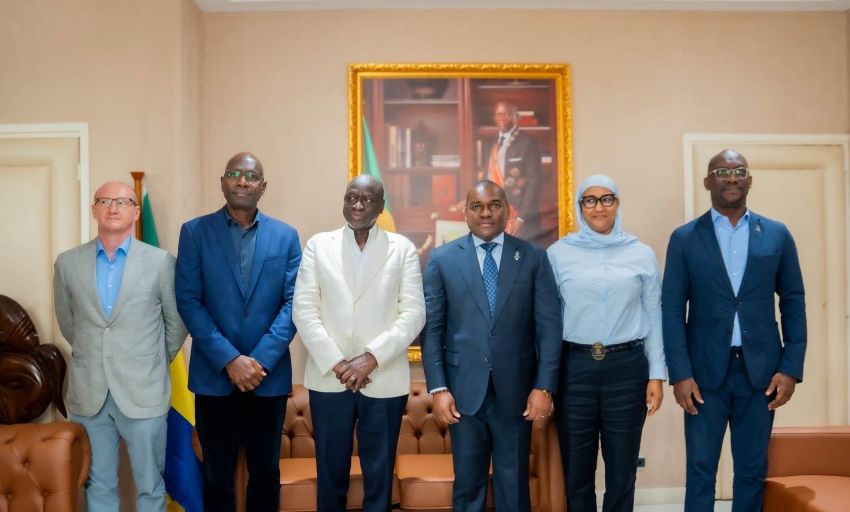
The corridor’s high-profile visits, including that of World Bank Vice President Ousmane Diagana for Africa, have raised stakes. While such engagements signal international interest, they do not guarantee financing or project viability. Gabon must now prove that its model of shared industrialization is not just viable on paper but capable of delivering tangible benefits to its people.
The corridor’s future will be determined not by the number of signed agreements, but by the speed and quality of infrastructure rollout, the development of local industries, and the equitable distribution of prosperity. For now, Gabon watches and waits—eager to see whether Bélinga–Kobe-Kobe will fulfill its revolutionary promise or become another cautionary tale in Africa’s resource curse.