Gabon and France forge a new partnership era
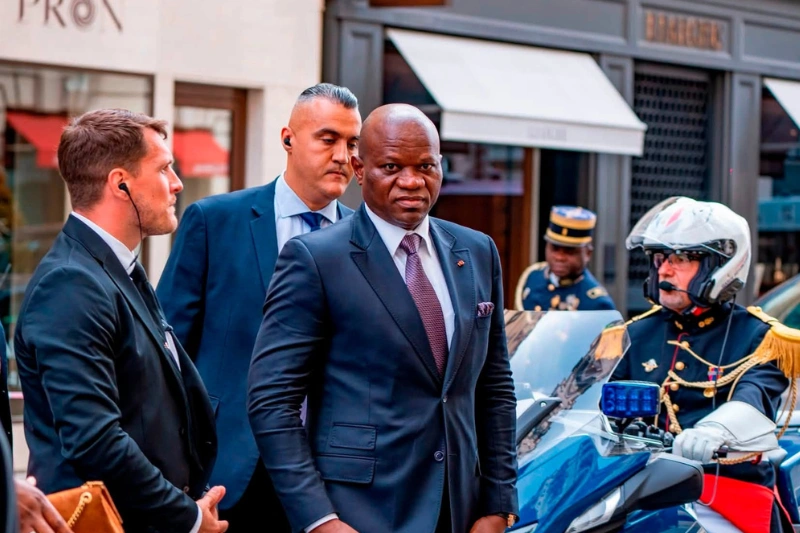
The State visit by President Oligui Nguema has heralded a new chapter in Gabon-France relations. After a 42-year hiatus in high-level diplomatic exchanges, both nations have committed to fostering a partnership rooted in equality, moving beyond past imbalances. This renewed momentum is evident in economic reforms, particularly President Nguema’s resolve to shift away from extractive practices where Gabon’s resources were exploited with minimal local benefit. Instead, the focus is on domestic processing—starting with oil and now manganese, as agreed during the visit.
In Paris, the Gabonese leader positioned himself not as a subordinate partner but as an equal, emphasizing transparency and mutual benefit. The negotiations yielded tangible outcomes for Gabon, including a landmark agreement with the French group Eramet to expand manganese processing capacities locally. While the initial target of 2029 has been adjusted to 2031, this remains a significant milestone in Gabon’s quest to end raw mineral exports and create added value at home. Implementation details are still being finalized, but the commitment is clear.
Another breakthrough involves modernizing the Transgabonais railway, with financing secured through Proparco to upgrade infrastructure. Additionally, discussions on defense cooperation reflect Gabon’s broader strategy to rebalance its partnerships, aligning with its sovereign vision. While France remains a key ally, Libreville is actively diversifying its international ties—with China, Turkey, and India—to reduce dependency on any single nation. As President Nguema noted, “Yesterday, Paris was our historical partner. Today, we engage with many. Gabon’s appeal is growing, and we welcome all opportunities.”
The visit underscored Gabon’s push for a more equitable economic relationship and a redefined security alliance. For citizens back home, the next steps are eagerly awaited: the concrete implementation of these agreements and their anticipated benefits. This State visit has not just symbolized change—it has set the course for it.