democracy under pressure in Africa today
Africa’s democratic landscape reveals a striking contrast: while some nations make steady progress toward pluralism and accountability, others face serious setbacks in political freedoms. The continent is currently navigating a period of intense pressure on democratic norms.
On one side, military takeovers, rising authoritarianism and deliberate restrictions on political space have weakened hard-won democratic gains. On the other, persistent public demand for democratic governance, active civic participation and recent instances of peaceful leadership turnover show that the drive for democracy remains alive and strong across the continent. Today, Africa presents a mixed picture—one of both democratic decline and resilience.
Recent analyses published in 2025 and 2026 highlight a concerning trend: democracy is receding in several regions. Among the most pressing challenges are:
- The rise and consolidation of military rule in the Sahel: Mali, Burkina Faso and Niger.
- Delayed elections or outright challenges to electoral processes in certain countries.
- Growing clampdowns on opposition voices, independent media and civil society organizations.
- Constitutional amendments designed to extend presidential terms and keep leaders in power.
Although elections continue to be held across much of the continent, their fairness and credibility are increasingly questioned.
Signs of democratic resilience
Despite these setbacks, Africa’s democratic story is not one of uniform decline.
Countries like the Senegal, Cabo Verde, Botswana, the Seychelles and Ghana stand out as models of political pluralism and peaceful transitions of power. Recent elections in these nations have demonstrated that citizens can—and do—use the ballot box to hold governments accountable.
Afrobarometer surveys further reveal that Africans continue to strongly value democratic principles and are calling for greater citizen involvement, government transparency and accountability. The data indicates that civic engagement remains a cornerstone of democratic governance, with populations increasingly insisting on their right to genuine democratic participation.
The power of youth in democratic struggles
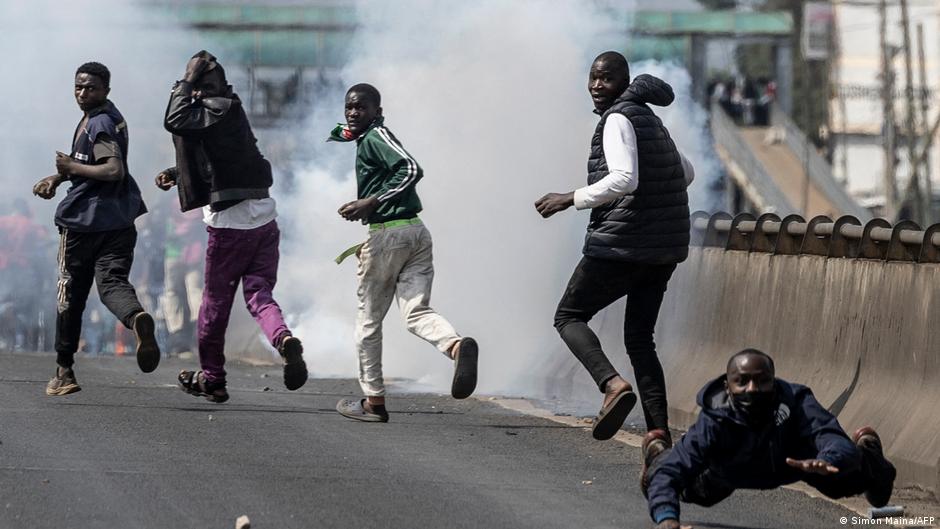
The continent’s young people are playing a pivotal role in shaping the future of democracy. Across Africa, youth movements are demanding:
- cleaner and more transparent elections;
- stronger action against corruption;
- better governance and accountability;
- more economic and social opportunities.
Key priorities for the coming years
- Restoring constitutional order in countries under military leadership.
- Ensuring the independence of electoral and judicial institutions.
- Enforcing presidential term limits and upholding constitutional provisions.
- Protecting fundamental freedoms, including press freedom, opposition rights and civil society space.
- Addressing pressing socio-economic needs, especially among young people.
The discussion featured three prominent voices:
- Tolojanahary Ndrasana from Transparency International
- Abdou Coly from CorpsAfrica Sénégal
- Aissatou Ndeye Camara from the Friedrich-Ebert Foundation in Dakar