Dakar 2026 isn’t just a sporting event—it’s a global conversation starter. As the first Olympic Youth Games ever held in Africa, these games have ignited debates, aspirations, and questions about the continent’s future. With closing ceremonies approaching, the fallout from this historic moment is only now becoming clear.
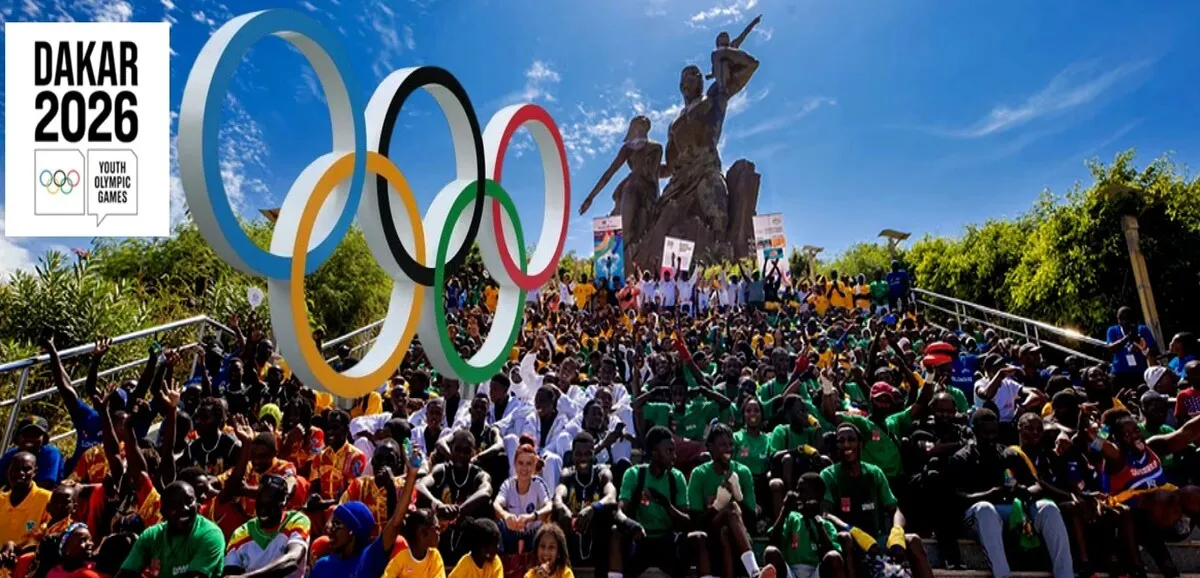
Why Dakar 2026 sparked a continent-wide debate
The first-ever Olympic Youth Games on African soil have drawn both praise and criticism. Organizers had hoped to showcase Senegal’s teranga—its renowned hospitality—and transform the nation into a model of youth engagement and cultural exchange. But as athletes return home and international media coverage fades, a key question remains: Did these Games deliver on their promise of lasting change?
- Momentum or missed opportunity? Supporters argue that Dakar 2026 has already put African youth sports on the world map, while skeptics question whether the legacy will extend beyond stadiums and social media.
- Cultural exchange in action. Delegations from over 200 countries experienced African culture firsthand, from Dakar’s vibrant streets to Saly’s serene beaches—something rarely replicated in larger Olympic events.
- Breaking barriers. The inclusion of a Refugee Olympic Team for the first time in Youth Games history added a powerful social dimension, but some activists argue more could have been done to amplify athletes from conflict zones.
As the final medals are awarded, public opinion is sharply divided: did Dakar 2026 write a new chapter for Africa—or was it just a brilliant opening act?
Lingering questions: What comes after the last whistle?
Before the flame was lit on October 31, promises filled the air: infrastructure upgrades, economic boosts, and a youth-driven sports revolution. Now, the true test begins.
Where is the investment going?
Critics point to the cost of hosting such an event—billions spent on venues, security, and logistics—questioning whether these resources could have gone to grassroots sports development instead. Meanwhile, officials insist the Games have already stimulated local economies, created jobs, and put Senegal on the global tourism map.
Has the Olympic hype translated into real, sustainable change? Early reports suggest short-term gains, especially in tourism and hospitality, but long-term transformation will depend on continued government and private sector commitment.
A legacy written by the youth—for the youth
Central to Dakar 2026 was the goal of inspiring a generation. According to internal surveys, over 75% of Senegalese youth now express greater interest in sports. But will this interest survive the post-Games letdown?
Organizers have launched grassroots programs in partnership with schools and local clubs, aiming to channel the excitement into long-term participation. Yet, without proper funding and infrastructure, some fear the momentum could stall.
Global voices react: Who gained—and who didn’t?
The international reaction to Dakar 2026 has been as diverse as the competing nations. Here’s a snapshot of the key reactions shaping the narrative.
Celebration: Africa proves it can host the world
Leaders across Africa have hailed Dakar 2026 as a turning point. “We’ve shown the world that Africa is not just a spectator, but a leader,” said a Senegalese sports minister. The Games have also boosted confidence in future bids for major sporting events.
Skepticism: Was the event too West-focused?
Some critics argue that Dakar 2026 primarily benefited Western tourists and corporate sponsors, with little benefit reaching rural or francophone African communities beyond Senegal. Others point out that most athletes came from Europe or North America, raising questions about true representation.
Grassroots disappointment: Where’s the access for local talents?
Despite Dakar’s role as a host, local athletes participated in only a fraction of the events. Many Senegalese competitors were spectators, not participants—a fact that has fueled frustration among aspiring young athletes.
What’s next? The road ahead for African youth sports
While the Olympic flame may burn out, the questions it ignited are far from extinguished. The real impact of Dakar 2026 will be measured in years, not days.
Experts predict three possible paths forward:
- Optimal path. Strong follow-up programs, sustained funding, and policy integration lead to a thriving African sports ecosystem that uses Dakar 2026 as a springboard.
- Stalled progress. Initial excitement fades as infrastructure decays and programs lose support, leaving only stadiums as monuments to a fleeting moment.
- New movements. The Games inspire decentralized, youth-led initiatives that bypass traditional systems and create organic, community-based sports cultures.
What is certain is that Africa will not go back to being invisible in global sports. The question now is what form its presence will take.