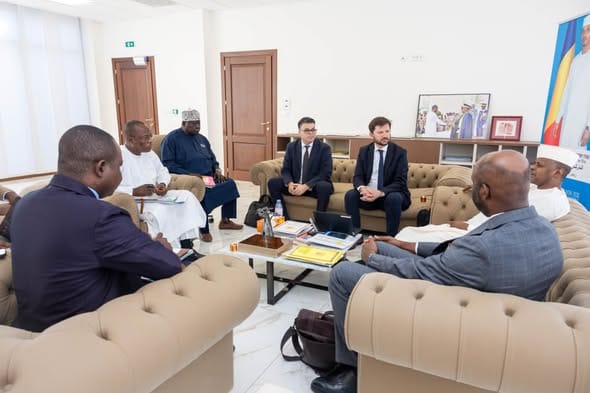
As the International Monetary Fund delegation led by Julien Reynaud wraps up its meetings in N’Djamena, Chad finds itself at a pivotal crossroads. The fallout from these high-stakes consultations has triggered intense public debate about the country’s economic direction, raising questions about what comes next for households and businesses alike.
The IMF mission, which arrived in the Chadian capital on November 16 for a ten-day stint, has been in deep discussions with government officials, private sector leaders, and development partners. At the heart of the talks: the 2026 budget execution, public debt management strategies, performance in the oil and banking sectors, governance reforms, and the framework for the 2027 budget. These conversations unfold under the umbrella of the IMF’s regular Article IV consultations, designed to assess economic health and recommend policy adjustments.
What’s at stake for Chad’s economic trajectory
The stakes couldn’t be higher. Chad’s economy remains vulnerable to external shocks, from volatile oil prices to climate-induced agricultural setbacks. Government officials argue that the IMF talks are critical for securing financial stability and unlocking crucial funding. Yet skepticism runs deep among citizens and analysts, who question whether the proposed reforms will translate into tangible improvements in daily life.
Key areas under scrutiny include:
- Debt sustainability: With public debt levels raising concerns, the IMF is likely to push for stricter fiscal discipline and transparency.
- Oil sector performance: As Chad’s primary revenue source, the IMF may advocate for structural changes to enhance efficiency and reduce reliance on volatile markets.
- Governance reforms: Calls for improved accountability and anti-corruption measures are expected to feature prominently in the discussions.
- Budget transparency: The IMF’s emphasis on clear fiscal policies aims to rebuild confidence among international investors and partners.
Public reaction: hope, fear, and division
Reactions to the IMF’s presence have been sharply divided. While some praise the government’s willingness to engage with global financial institutions, others view the consultations with deep suspicion. Critics argue that past IMF-backed reforms have done little to improve living standards, often imposing austerity measures that disproportionately affect low-income households.
Civil society groups and opposition figures have seized on the debate, demanding greater clarity on how the talks will shape Chad’s economic policies. Social media platforms are abuzz with discussions, reflecting a growing demand for accountability and inclusive policymaking.
What happens next?
The coming weeks will be crucial. The IMF delegation is expected to finalize its preliminary findings before departing N’Djamena. These findings will shape the government’s agenda for 2027, influencing everything from subsidy policies to public sector investment.
For ordinary Chadions, the stakes are personal. Will the IMF-backed measures lead to job creation, better public services, or will they deepen economic hardship? The answers may well define the country’s economic narrative for years to come.