Saturday, November 21

Top Stories

Mali’s 2025 anti-corruption week: empowering youth and strengthening judicial rigor
Top Stories

Mali’s 2025 anti-corruption week: empowering youth and strengthening judicial rigor

The National Anti-Corruption Week for 2025 officially began on December 9, 2025, in Bamako, under the auspices of Mamoudou Kassogué, the Minister of Justice and Human Rights. This annual event, designed to inform the public about ongoing Mali anti-corruption efforts, maintained its powerful theme from the previous year: “Uniting with youth against corruption: shaping tomorrow’s integrity.”During his keynote address, Minister Kassogué emphasized the critical need for widespread mobilization to counter the “immeasurable” repercussions of corruption. He referenced former UN Secretary-General Kofi Annan, who characterized corruption as an “insidious evil” that erodes democratic foundations, undermines the rule of law, and paves the way for organized crime and terrorism.🎯 Transition Government’...
A lifelong shield: the success of polio vaccination in Burkina Faso
Top Stories

A lifelong shield: the success of polio vaccination in Burkina Faso

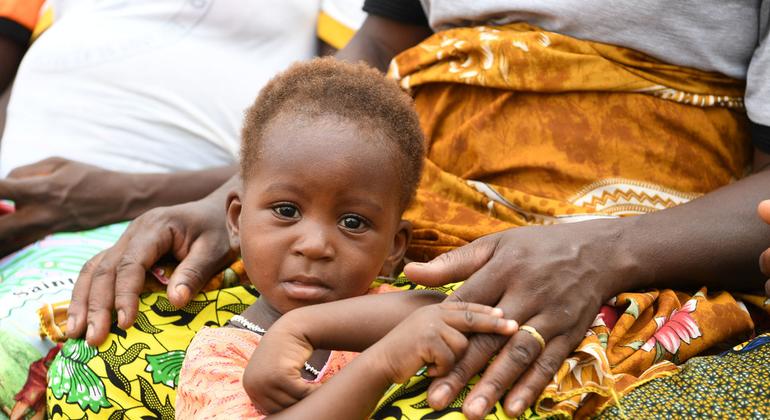
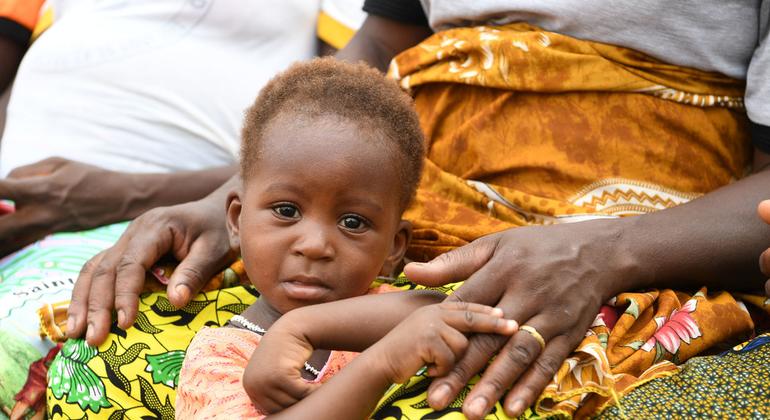
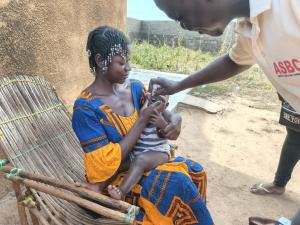
Fada N’Gourma – While poliomyelitis remains a formidable threat, it is entirely preventable through immunization. Across Burkina Faso, dedicated mothers are taking a stand, ensuring their children are shielded from diseases that can be stopped with a simple vaccine.The maternal commitment to healthIn the Sector 9 health district of Fada N’Gourma, Nadège Thiombiano is a mother on a mission. Her 13-month-old daughter, Mouzaratou, is the center of her world. When news reached her of a fresh polio vaccination drive, Nadège didn't hesitate. She prepared her child early, viewing the appointment not just as a medical necessity, but as a sacred vow. Having witnessed the devastating physical toll of polio in her community, she is determined that her children will never suffer the same fate. "Immuni...
West africa and central africa facing severe humanitarian crisis
Top Stories

West africa and central africa facing severe humanitarian crisis

The United Nations and its partners are urgently calling for $5.1 billion in 2026 to address the escalating humanitarian crisis affecting 24 million people across West and Central Africa. This appeal is part of a broader global humanitarian funding request of $33 billion, aimed at protecting the most vulnerable populations from hunger, displacement, and worsening security threats in the region. a region under pressure: conflict, climate, and displacement In 2026, an estimated 42 million people in Burkina Faso, Cameroon, Mali, Niger, Nigeria, the Central African Republic, the Democratic Republic of the Congo, and Chad will require urgent humanitarian assistance to survive and stay safe. Charles Bernimolin, Head of the UN Office for the Coordination of Humanitarian Affairs (OCHA) for Wes...
West and Central Africa facing deepening humanitarian crisis amid funding gaps
Top Stories

West and Central Africa facing deepening humanitarian crisis amid funding gaps

The United Nations has issued an urgent call to action for West and Central Africa, where a severe humanitarian crisis continues to escalate. With 24 million vulnerable individuals in dire need of support, the UN and its partners are seeking $5.1 billion in funding to address the growing emergency in 2026. Escalating crises across the Sahel and beyond In 2026, an estimated 42 million people across eight countries—including Burkina Faso, Cameroon, Mali, Niger, Nigeria, Central African Republic, Democratic Republic of the Congo, and Chad—will require urgent assistance to survive and remain safe. The situation remains precarious, with families facing increased hunger, displacement, and protection risks. “Without immediate resources, the suffering will intensify,” warns Charles Bernimolin, H...
Military coups in africa since 2020: a timeline of political instability
Top Stories

Military coups in africa since 2020: a timeline of political instability

In recent years, West Africa has witnessed a troubling surge in military coups, reshaping the political landscape across the continent. Since 2020, several nations have experienced abrupt transfers of power, often driven by discontent over governance, security crises, and constitutional disputes. The latest incident in Benin follows this pattern, underscoring the fragility of democratic institutions in the region. A group of soldiers seized control of Benin's state television on Sunday, declaring the overthrow of President Patrice Talon and the dissolution of the government. The attempted coup lasted several hours before authorities confirmed it had been thwarted. Interior Minister Alassane Seidou later stated that the mutineers had launched a rebellion to destabilize the state, emphasizi...
Attempted coup in Benin: what happened in Cotonou this sunday
Top Stories

Attempted coup in Benin: what happened in Cotonou this sunday

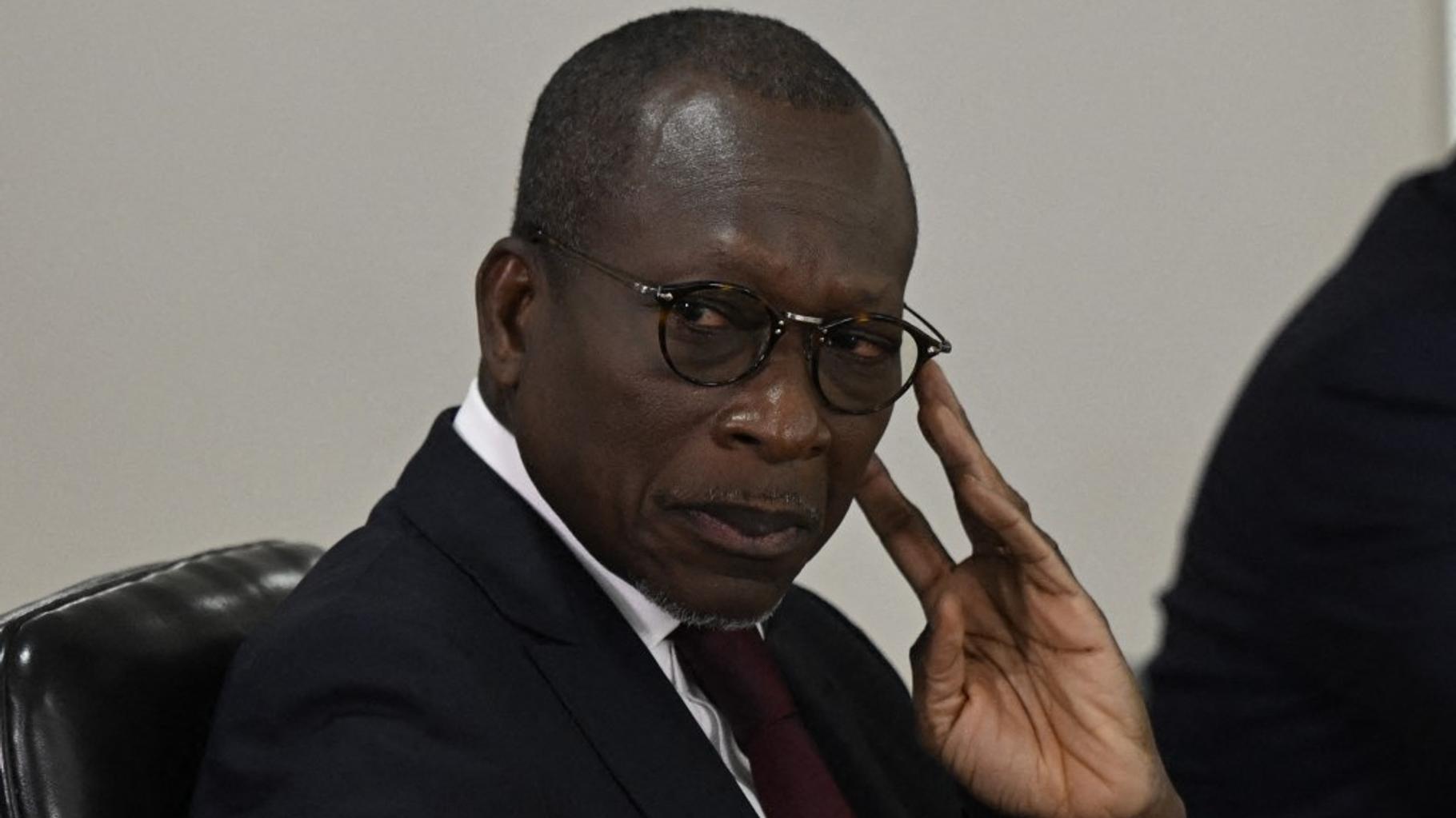
The government of Benin announced on Sunday morning that it had thwarted an attempted coup in Cotonou. Soldiers claiming to represent a group called the «Military Committee for Refoundation» (CMR) declared on national television that they had removed President Patrice Talon from office. President Talon, who remains safe according to his close associates, is set to conclude his second term in April 2026 after two consecutive mandates. While his administration has been credited with economic growth, Benin continues to face security challenges, particularly from jihadist violence in the northern regions. By midday Sunday, the situation in Cotonou remained tense. Gunfire was reported in the capital, and military personnel had sealed off access to the presidential palace. Despite the disrupti...
Niger advances toward health sovereignty at Dakhla summit
Top Stories

Niger advances toward health sovereignty at Dakhla summit

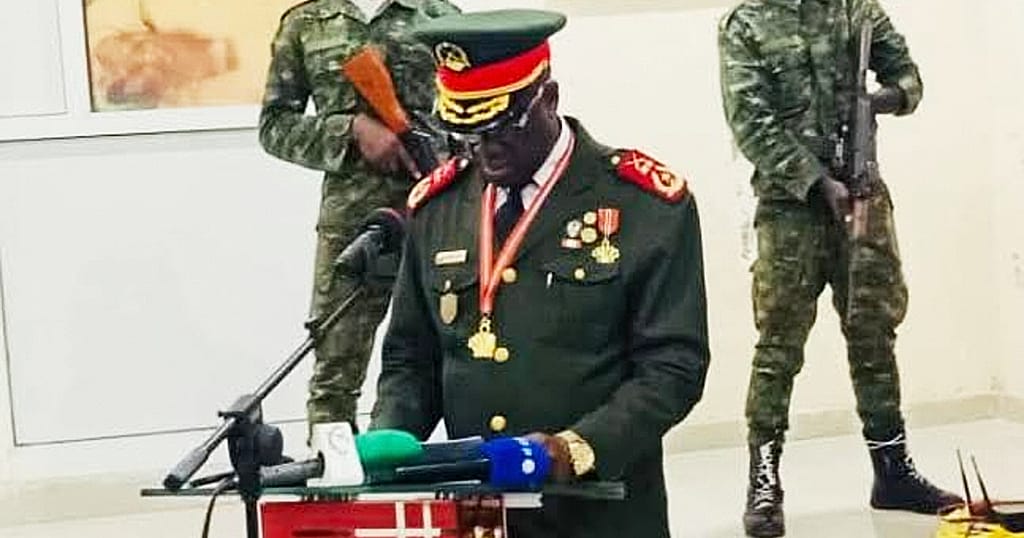
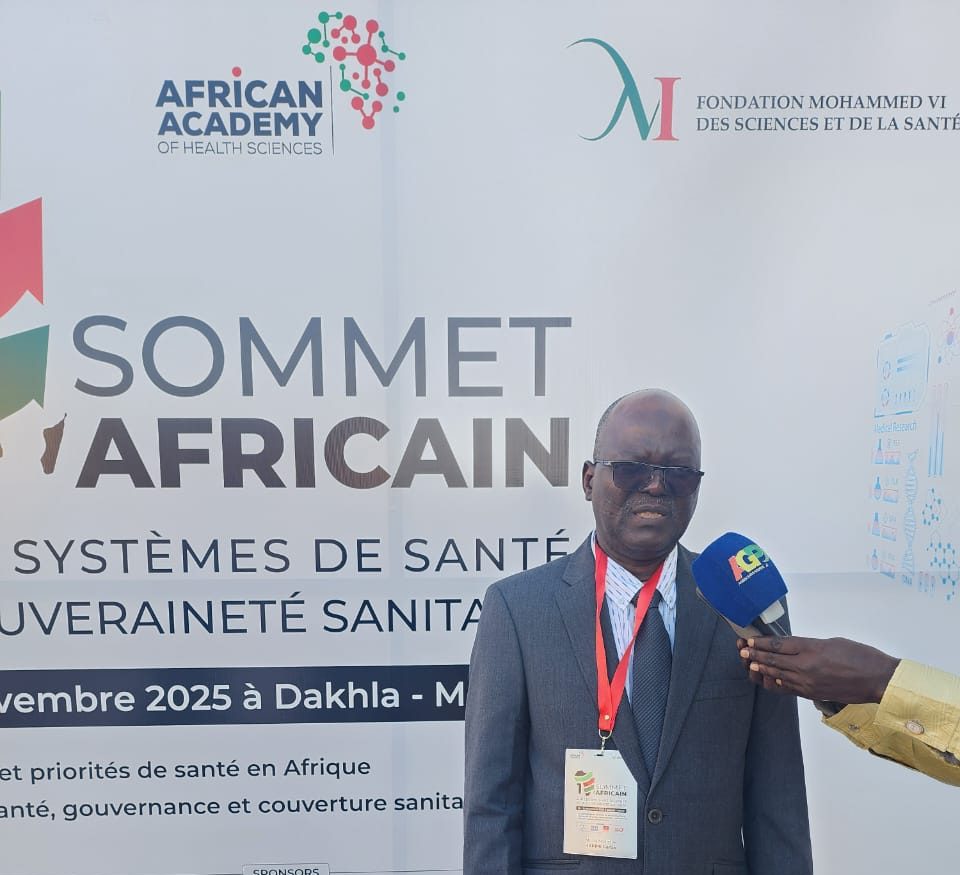
The Nigerien Minister of Public Health and Hygiene, Colonel Major Garba Hakimi, has reaffirmed Niger’s commitment to achieving health sovereignty during the first African Summit on Health Systems and Sovereignty held in Dakhla, Morocco, on November 29. Speaking to the National Press Agency (ANP), the minister highlighted that Niger’s push for health sovereignty aligns with the vision of the country’s highest authorities, including President General Abdourahmane Tiani and the Prime Minister, who have prioritized significant investments in the healthcare sector. key investments in Nigeria’s health infrastructure Major strides have been made in expanding healthcare access, with new hospitals and integrated health centers being constructed across the nation. These facilities are designed to...
Mali army and allied militias accused of deadly village attacks
Top Stories

Mali army and allied militias accused of deadly village attacks

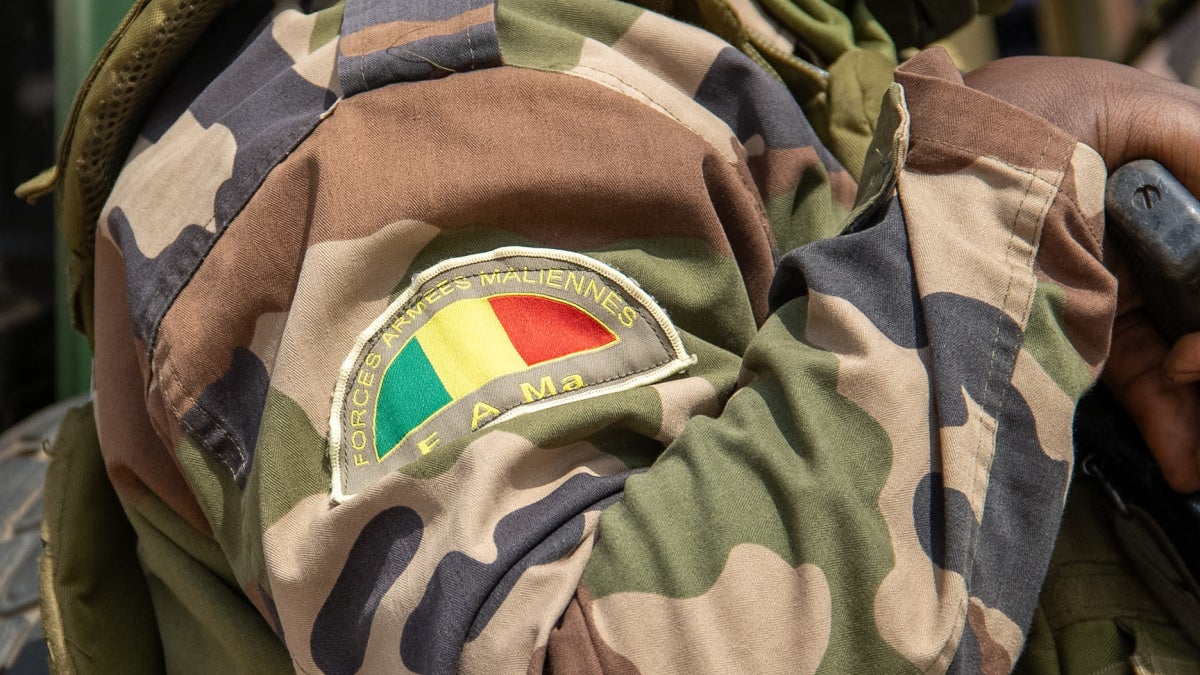
Click to expand Image Soldiers from the Malian Armed Forces and allied militias have been accused of killing at least 31 civilians and burning homes in two villages in central Mali during October raids, according to local accounts. On October 2, troops accompanied by dozos—traditional hunters from the Bambara ethnic group who have supported counterinsurgency efforts for over a decade—allegedly executed at least 21 men and torched over 10 homes in Kamona. Witnesses reported that the army and militiamen summarily shot villagers after accusing them of aiding the Group for the Support of Islam and Muslims (JNIM), an Al-Qaeda-linked faction controlling the area. Residents claimed JNIM fighters had warned t...
Mali army and allied militias accused of civilian massacres in central region
Top Stories

Mali army and allied militias accused of civilian massacres in central region

In the heart of central Mali, a grim pattern of violence has resurfaced, with the Malian Armed Forces and allied militias targeting civilians in two villages under the control of Islamist armed groups. Between October 2 and 13, at least 31 civilians were killed and numerous homes were set ablaze, according to multiple testimonies gathered from survivors and local leaders. October violence leaves a trail of destruction in Ségou On October 2, soldiers from the Malian Armed Forces and dozos militiamen—traditionally hunters from the Bambara ethnic group who have participated in counterinsurgency operations for over a decade—stormed the village of Kamona. Witnesses reported that the soldiers, arriving in seven pick-ups and three armored vehicles, along with dozos on motorcycles, conducted a br...
Un warns of severe famine risk across global hotspots
Top Stories

Un warns of severe famine risk across global hotspots

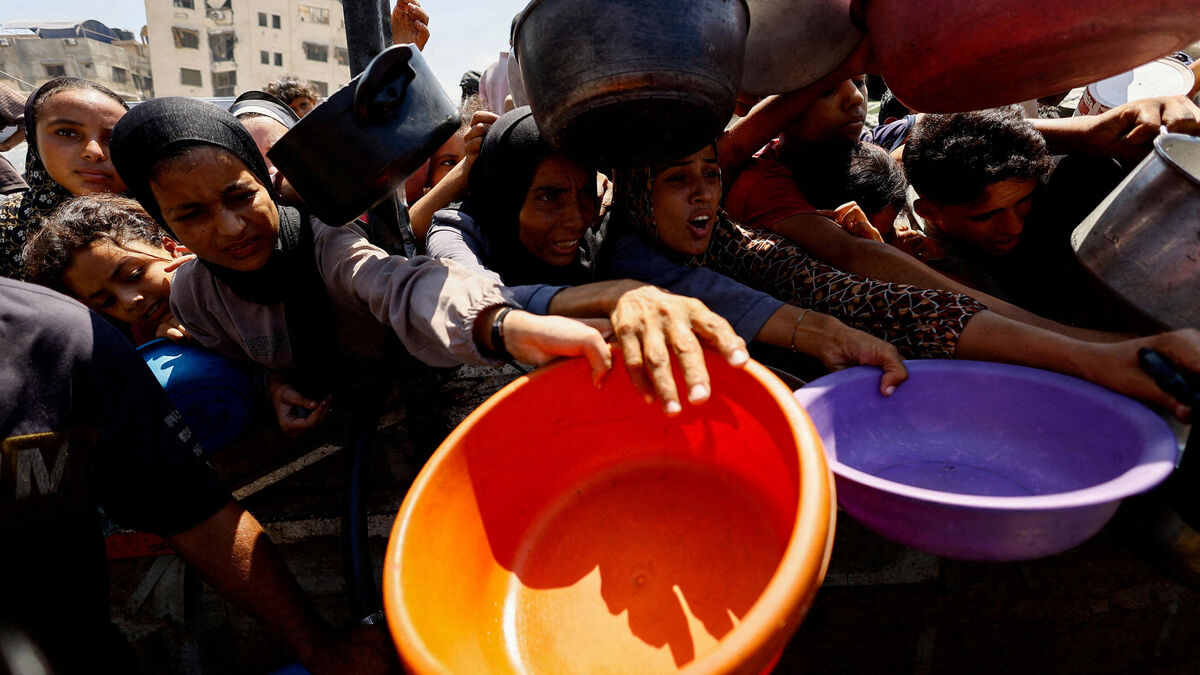
Millions of additional people worldwide could face starvation or the threat of extreme hunger, according to a recent warning from two United Nations agencies. The Food and Agriculture Organization (FAO) and the World Food Programme (WFP) highlighted the growing danger in a context where international funding is becoming increasingly scarce.A joint analysis reveals that acute food insecurity is intensifying across 16 specific hotspots. The report identifies Palestine, Mali, Haiti, South Sudan, Sudan, and Yemen as the most critically affected areas. In these regions, populations are currently staring down the barrel of an imminent and catastrophic famine.Growing concerns in Myanmar, Nigeria, and beyondThe situation is also described as "highly concerning" in several other nations, including ...
A generation’s struggle: Niger faces its worst economic crisis
Top Stories

A generation’s struggle: Niger faces its worst economic crisis

Fichier généré le Issu de la série Entre junte et jihadistes : reportage au Niger, au cœur d’un pays assiégé Coincé entre la terreur des groupes armés et l’isolement diplomatique provoqué par la junte dirigée par Abdourahamane Tiani, le Niger traverse l’une des pire crise économique et sécuritaire de son histoire récente. Retrouvez notre série de reportages dans les zones tenues par les jihadistes, où la survie devient un acte...
WHO’s vital support for health NGOs in Mali amid crisis
Top Stories

WHO’s vital support for health NGOs in Mali amid crisis

how the WHO strengthens health sector NGOs in Mali during humanitarian challengesThe World Health Organization (WHO) has led the coordination of health partner interventions in Mali since 2012. In 2025, the country faces a severe humanitarian crisis, with 6.4 million people—28% of Mali’s population—requiring critical assistance. Unfortunately, the humanitarian response plan is funded at only 8.5%, with a mere 6% allocated to the health sector. This severe underfunding severely restricts humanitarian actors’ ability to meet urgent medical needs.To address these challenges, the second reserve allocation from the Fonds Humanitaire Régional pour l’Afrique de l’Ouest et le Sahel (FHRAOC) focuses on supporting displaced populations affected by armed violence and insecurity in regions like Gao, M...