Cameroon’s lingering post-election detainee trials spark debate
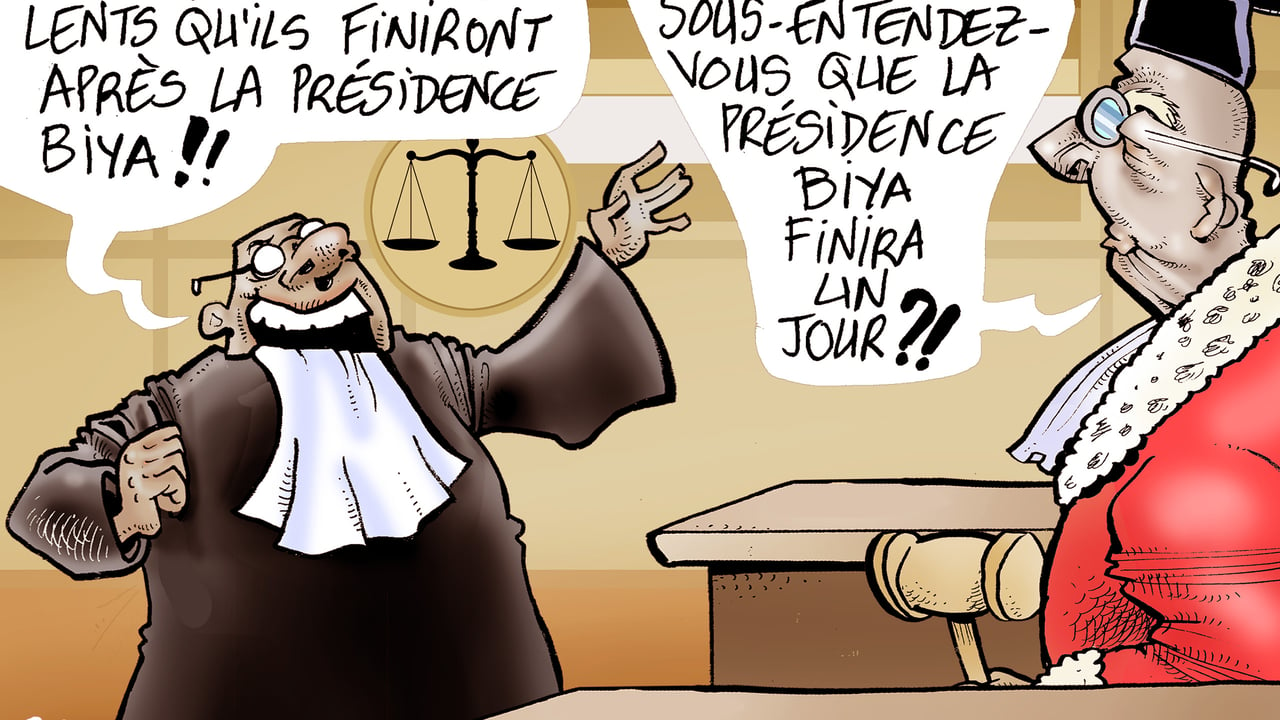
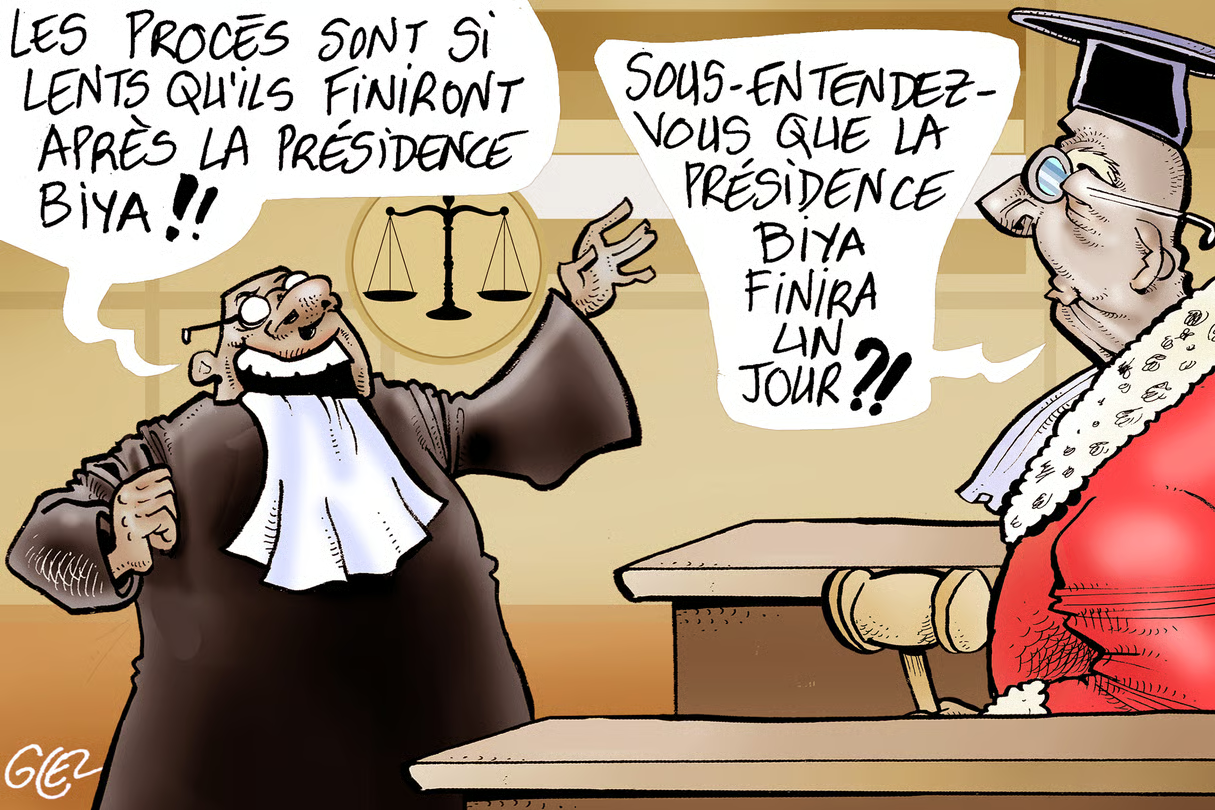
Justice delayed: The unresolved cases of Cameroon’s post-election detainees
Years after Cameroon’s fiercely contested 2025 presidential election, the judicial system remains mired in controversy over the prolonged trials of dozens of detainees. Legal experts and human rights advocates warn that the delays are eroding public trust in the country’s institutions.
Why are these trials dragging on?
Several factors contribute to the snail-paced proceedings. Court backlogs, procedural hurdles, and logistical challenges have turned what should have been swift legal resolutions into years-long ordeals. Critics argue that the inefficiencies disproportionately affect marginalized communities, where access to legal representation remains limited.
Meanwhile, families of the detained continue to endure emotional and financial strain, with many struggling to cover legal fees or travel costs to attend hearings in distant courtrooms.
Calls for urgent reform
Human rights groups have intensified pressure on Cameroonian authorities to expedite these cases. They highlight the psychological toll on detainees, many of whom face harsh conditions in overcrowded prisons. Advocates stress that prolonged detention without resolution violates fundamental rights and fuels social unrest.
Legal analysts point out that swift justice could serve as a catalyst for national healing, while further delays risk deepening divisions in an already polarized political landscape.
What’s next for Cameroon’s justice system?
As the trials inch forward, the government faces mounting scrutiny over its commitment to rule of law. Observers are closely watching whether recent judicial reforms will bear fruit or if the status quo will prevail, leaving a generation of detainees—and their families—in limbo.