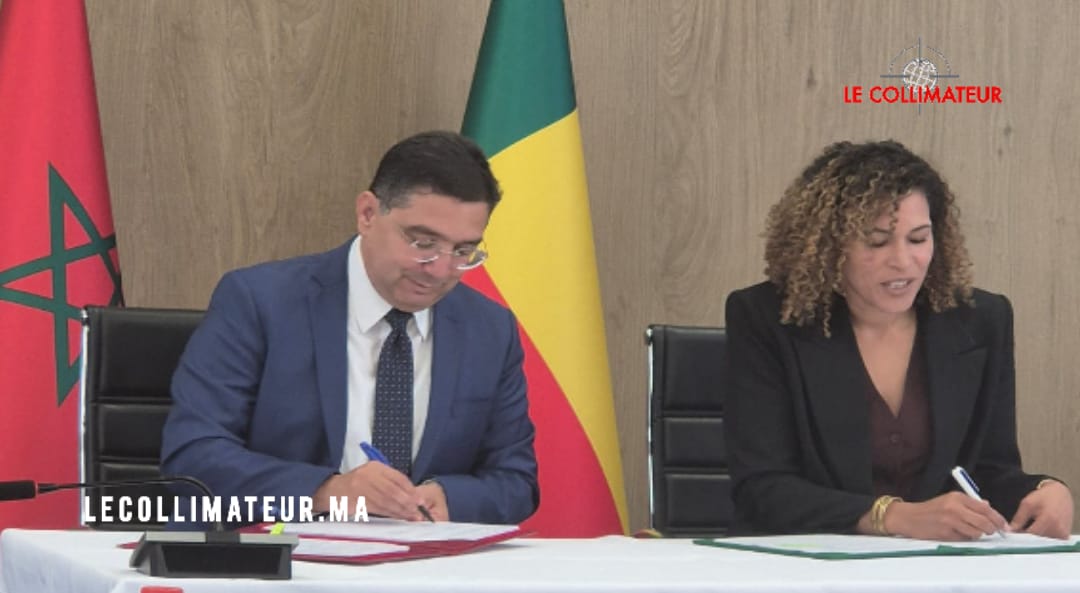
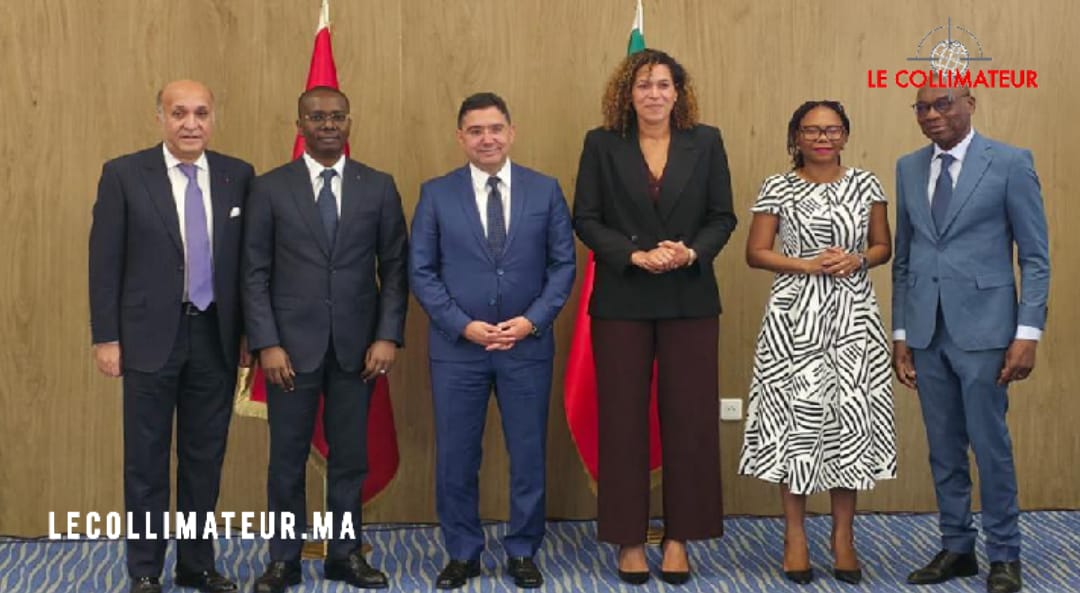
Cotonou witnessed productive discussions this week as Bénin and Morocco reaffirmed their commitment to advancing bilateral cooperation during preparations for jointly chairing the seventh session of the Morocco-Benin Joint Cooperation Commission. The high-level meeting brought together key officials from both nations, including Morocco‘s Minister of Foreign Affairs, African Cooperation, and Moroccans Residing Abroad, Mr. Nasser Bourita, alongside Bénin’s Foreign Minister overseeing Afro-descendant integration, Ms. Corinne Amori Brunet, and the Minister Delegate for Resource Mobilization and Debt Management, Mr. Hugues Oscar Lokossou.
Both sides celebrated significant progress achieved across multiple sectors since His Majesty King Mohammed VI’s historic visit to Cotonou in June 2004. The talks focused not only on evaluating current cooperation but also on exploring new avenues to inject fresh momentum into their relationship. Emphasis was placed on the deep-rooted fraternal ties and mutual respect between His Majesty King Mohammed VI and Bénin’s President Romuald Wadagni, with both nations expressing their shared ambition to set a benchmark for inter-African partnerships rooted in solidarity, exchange, and mutual benefit.
Expanding horizons: key sectors identified for collaboration
The discussions culminated in the identification of high-potential sectors poised to drive future collaboration. These include:
- Economic growth and trade to foster sustainable development
- Industrial and investment initiatives to boost economic resilience
- Tourism development to enhance cultural and economic exchanges
- Agricultural innovation to improve food security
- Judicial and security cooperation to strengthen regional stability
- Vocational training and higher education to build skilled workforces
- Healthcare advancements to elevate public well-being
- Digital transformation to modernize infrastructure
- Cultural exchanges to deepen mutual understanding
Beyond sector-specific plans, both countries reiterated their determination to establish a robust economic partnership that actively engages the private sectors. This collaboration aims to amplify economic exchanges and mobilize resources to support sustainable development initiatives in both nations.